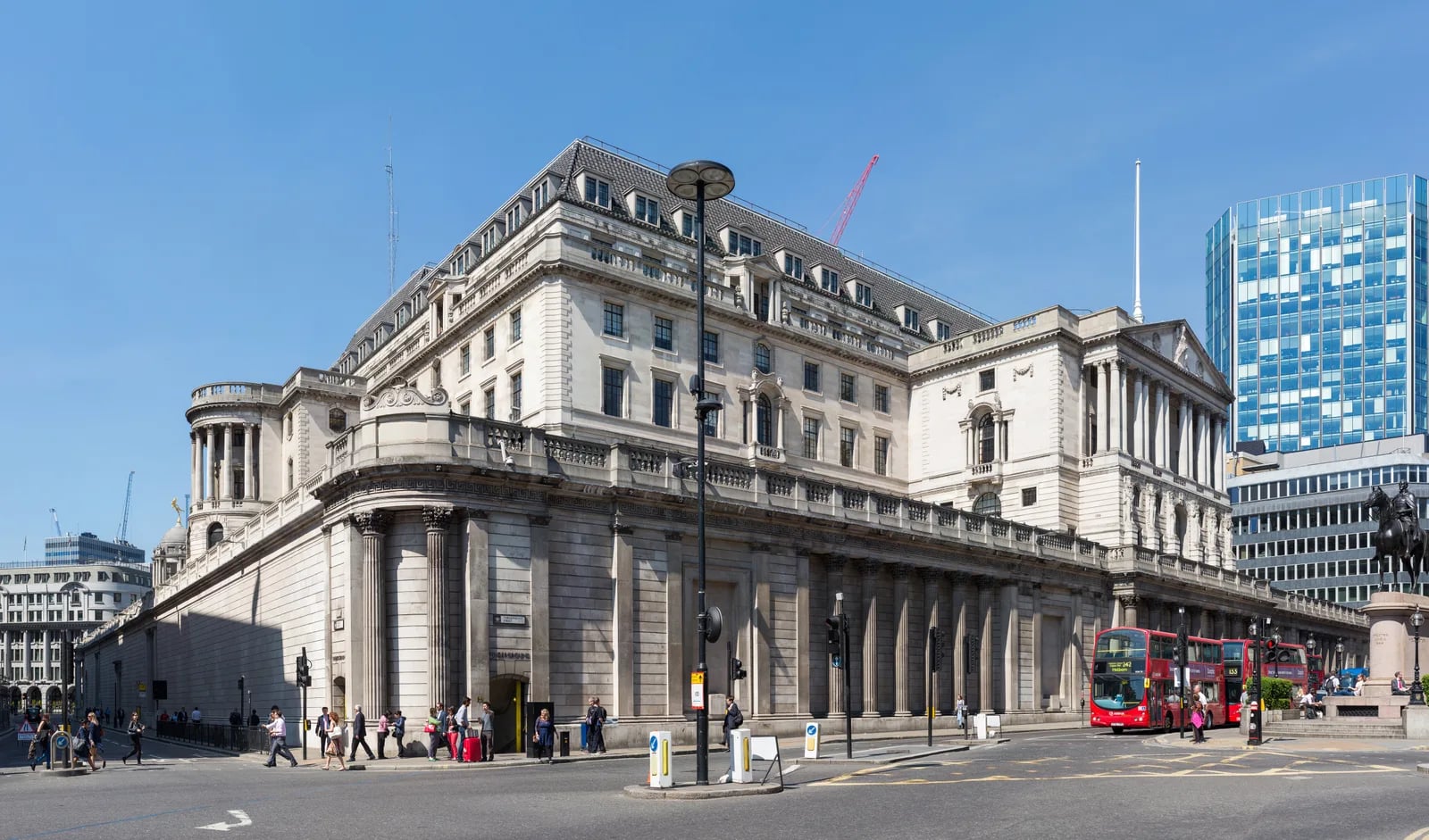
Bank of England Deputy Governor Clare Lombardelli said on Thursday that a rise in UK interest rates is "increasingly likely" if energy prices remain elevated, unless clear evidence of disinflation or a weaker economy emerges. The comments, delivered in a speech at the Sixth Biennial Conference in Warsaw, represent the most explicit hawkish signal from a senior Monetary Policy Committee member since the energy shock triggered by the US-Iran conflict began weighing on British households and businesses.
Lombardelli, who has served as a deputy governor since 2024, was part of the six-to-three majority that voted to hold the Bank Rate at 3.75 percent at the MPC's 17 September meeting. Her public pivot toward tightening suggests the committee's internal balance could shift decisively if the energy cost trajectory does not improve. "The longer higher energy prices persist, the greater the risk that indirect effects build and that inflation expectations, wage bargaining and price-setting behaviour begin to adjust in response," she said. "On that basis, policy is increasingly likely to need to tighten if elevated energy prices persist, absent clear evidence of disinflation or weaker activity."
The Inflation Math Behind the Hawkish Turn
The speech lands against a backdrop of worsening price pressures across the UK economy. Consumer price inflation rose to a five-month high of 3.1 percent in August, moving further above the Bank's 2 percent target. The MPC's own forecasts project inflation climbing to 3.7 percent in the fourth quarter of 2026 and peaking at 4.2 percent in the first quarter of 2027, levels not seen since the peak of the post-pandemic inflationary episode.
The immediate catalyst is the energy price cap. Ofgem announced on 26 August that the cap will rise by 4 percent from 1 October, lifting the annual bill for a typical household paying by direct debit from 1,663 pounds to 1,723 pounds. The increase is driven by an 11 percent jump in the wholesale cost allowance, with gas wholesale costs alone rising 13 percent quarter-on-quarter. Ofgem attributed the surge to the ongoing Middle East conflict and geopolitical instability, compounded by extreme temperatures across Britain and Europe that increased cooling demand and reduced wind generation.
Lombardelli flagged a secondary concern: food price inflation. After hitting a two-year low of 1.3 percent, food costs are projected by the Bank to rise toward 4 percent by the first quarter of 2027 as manufacturers pass through higher energy bills. This transmission mechanism is precisely what the deputy governor warned about. "There remains material uncertainty about the size and duration of the shock and how it will pass through the economy," she said. "But the larger the energy shock becomes and the longer it persists, the more likely it is that we will eventually see significant pass-through of higher energy costs to other prices."
What It Means for Borrowers and Markets
If the MPC does move to raise rates, it would mark a sharp reversal for UK borrowers who had anticipated a gradual easing cycle. The Bank cut rates from a peak of 5.25 percent through 2024 and early 2025 before the energy shock froze the easing path. A renewed tightening would put additional pressure on mortgage holders, many of whom are still rolling off fixed-rate deals at elevated levels.
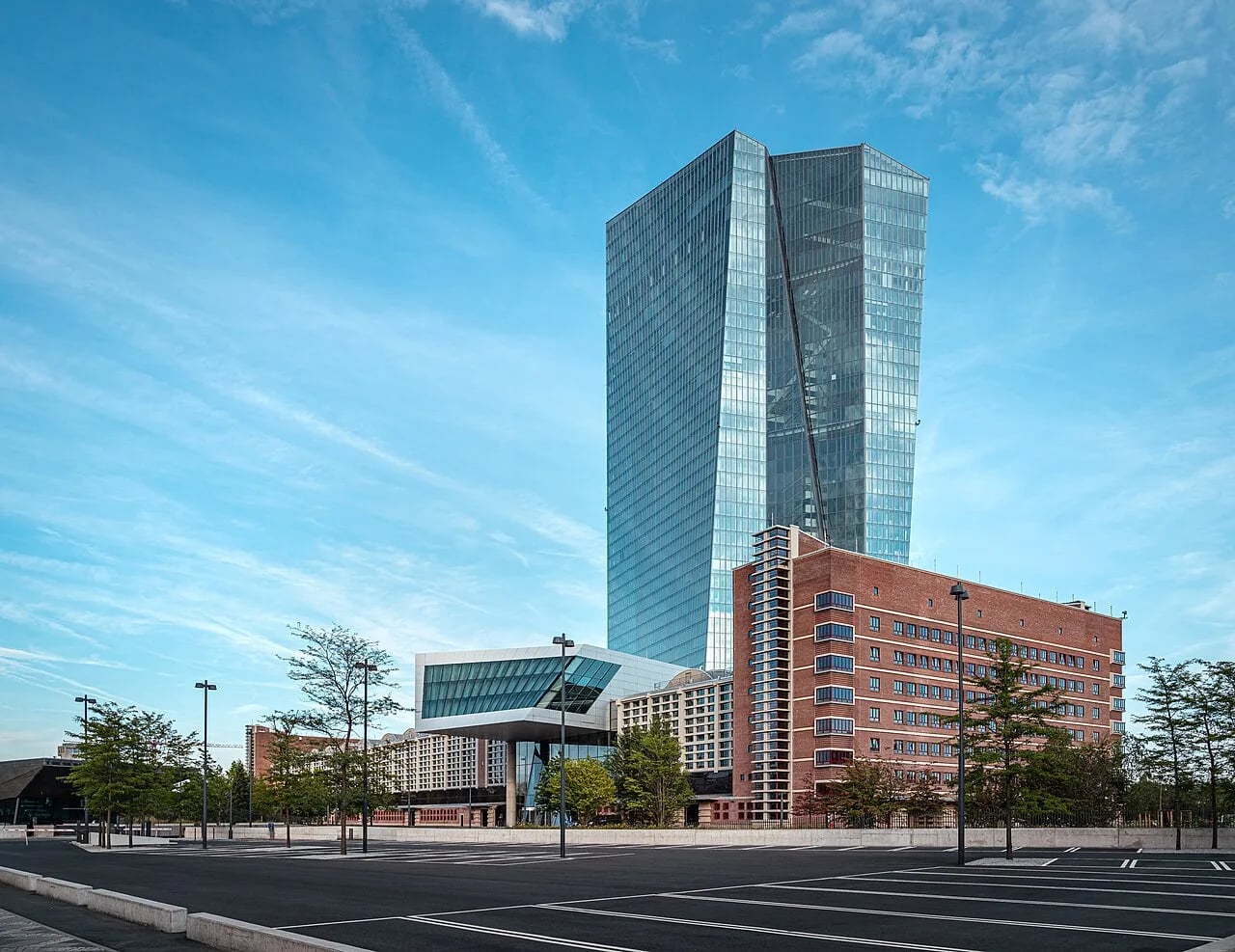
Notably, the Bank of England remains the only major central bank that has not raised rates in response to the energy crisis triggered by the US-Iran war. The European Central Bank and the US Federal Reserve have both tightened in recent months as oil and gas prices surged through the Hormuz Strait disruption. Lombardelli was careful to stress that the MPC would not respond "mechanically to movements in energy prices," noting that the interaction between the underlying economy, higher energy costs, and the nature of their transmission will ultimately determine the policy path.
The key uncertainty, as Lombardelli framed it, is whether firms can continue absorbing higher costs. To date, businesses have shown a "surprising ability" to protect margins without passing full price increases to consumers. But, she warned, "this ability will be limited." If it proves exhausted, the second-round effects that central bankers fear most could arrive simultaneously, forcing a faster and steeper tightening cycle than markets currently price.
Sources
- Bank of England, "The outlook for inflation — speech by Clare Lombardelli," Sixth Biennial Conference, Warsaw, 24 September 2026. bankofengland.co.uk
- The Independent, "Bank of England deputy governor says rate rise increasingly likely if energy prices stay high," 24 September 2026. independent.co.uk
- Bdaily, "Rate rise increasingly likely if energy prices stay high, warns bank deputy," 24 September 2026. bdaily.co.uk
- Ofgem, "Energy price cap will rise by 4 percent from October 2026," 26 August 2026. ofgem.gov.uk