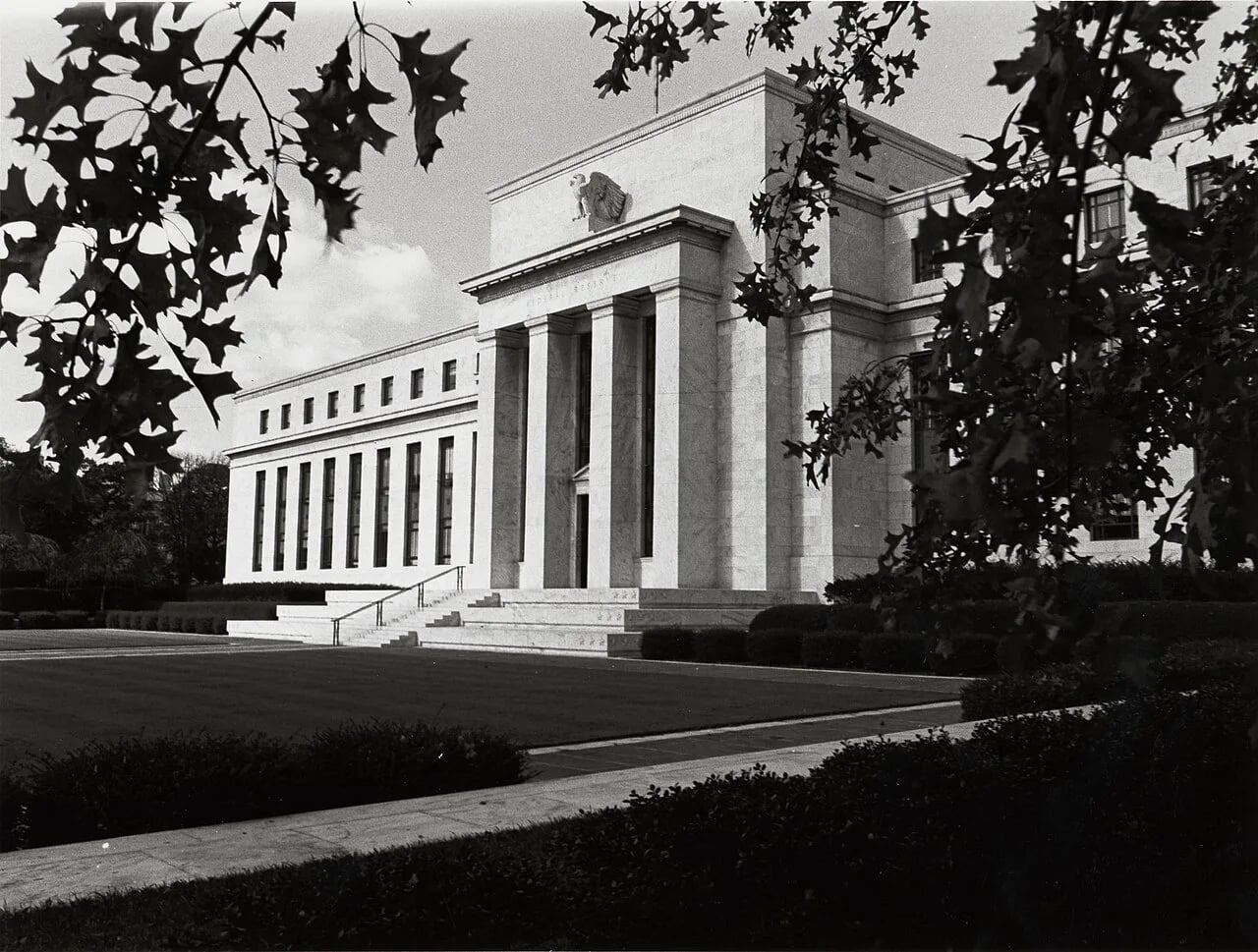
The Federal Reserve Board asked for public comment on Thursday, September 24, 2026, on two proposals that would place payment stablecoin issuers it supervises inside a regulatory framework under the GENIUS Act. Each proposal carries a 60-day comment window that opens on publication in the Federal Register, a date the Board has not yet set. Governor Michael S. Barr published a separate statement on the proposals.
What changed
The first proposal would require Board-supervised payment stablecoin issuers to back their tokens fully with permissible reserve assets, which the Board describes as short-term Treasury bills and certain other high-quality, liquid assets. The same text sets standardized capital requirements aimed at credit and operational risks of payment stablecoin activity, risk management standards, and rules for Board-supervised firms that safekeep the assets backing the tokens. It also clarifies the permissibility of stablecoin and related activities for Board-supervised banks.
The first proposal also addresses rewards. In the Fed's wording, "certain types of arrangements involving third parties would be presumed to be prohibited payments of interest or yield," an approach the central bank described as consistent with the Office of the Comptroller of the Currency's, as reported by CoinDesk.
The second proposal creates a tailored application process for Board-supervised banks that want to issue payment stablecoins. Applicants would have to submit a business plan, financial information and "relevant policies, procedures, and other documents," per CoinDesk's reading of the text, and the proposal would set up a process for appeals, hearings and final determinations.
The comparison
The GENIUS Act — formally the Guiding and Establishing National Innovation for U.S. Stablecoins Act — required banking regulators and the Treasury to have rules in place by July 2026, a deadline all of them have passed. The Fed is not first: the FDIC began its part of the process in December, the Treasury proposed federal definitions for issuing U.S. stablecoins last month, and in June several agencies proposed that issuers identify their users in the same way as other regulated financial firms, according to CoinDesk's account of the sequence. On rewards, the GENIUS Act is now the governing text, because the attempt to revise it through the Digital Asset Market Clarity Act did not succeed.
Why it matters
Reserve, capital and custody requirements set what issuers of dollar tokens must hold and how much capital they must raise, while the treatment of third-party arrangements bears on how far platforms can go in paying users for holding stablecoins — the question that divided the Clarity Act debate. The application procedure determines which banks may issue and on what evidentiary basis, and the appeals and hearings section gives applicants a route to contest a denial.
Limits
These are proposals, not final rules. No issuer is bound by them yet, and the Board can revise the texts after the comment period; rulemakings of this type typically take several months or longer to finalize. The reserve category is defined at a high level, leaving precise eligibility criteria to the final rule. Barr said he is "encouraged by provisions for reserve asset limitations, as well as transparent and standardized capital requirements," and asked for public input on whether the proposal "adequately addresses interest rate and foreign currency risks." He added that "it will be important that universal redemption rights are clear in the final rule," and said he wants the final rulemaking to settle a standard that would prevent the Board from taking supervisory or enforcement action over an anti-money laundering deficiency unless it is "significant or systemic." On the core premise he was conditional: "Stablecoins will only be stable if they can be reliably and promptly redeemed at par in a range of conditions."
Sources