The consumption of a large city
By 2030 the data centers of the Milan metropolitan area could consume about 6 terawatt-hours of electricity a year. That is, according to estimates, what more than two million Italian households use: roughly five million people, more than three times the population of Milan. The consumption does not exist yet, but the sum of projects already underway and under review makes it plausible by the end of the decade, and places the city in an unprecedented race with the power grid and its own territory.
What is there and what is coming
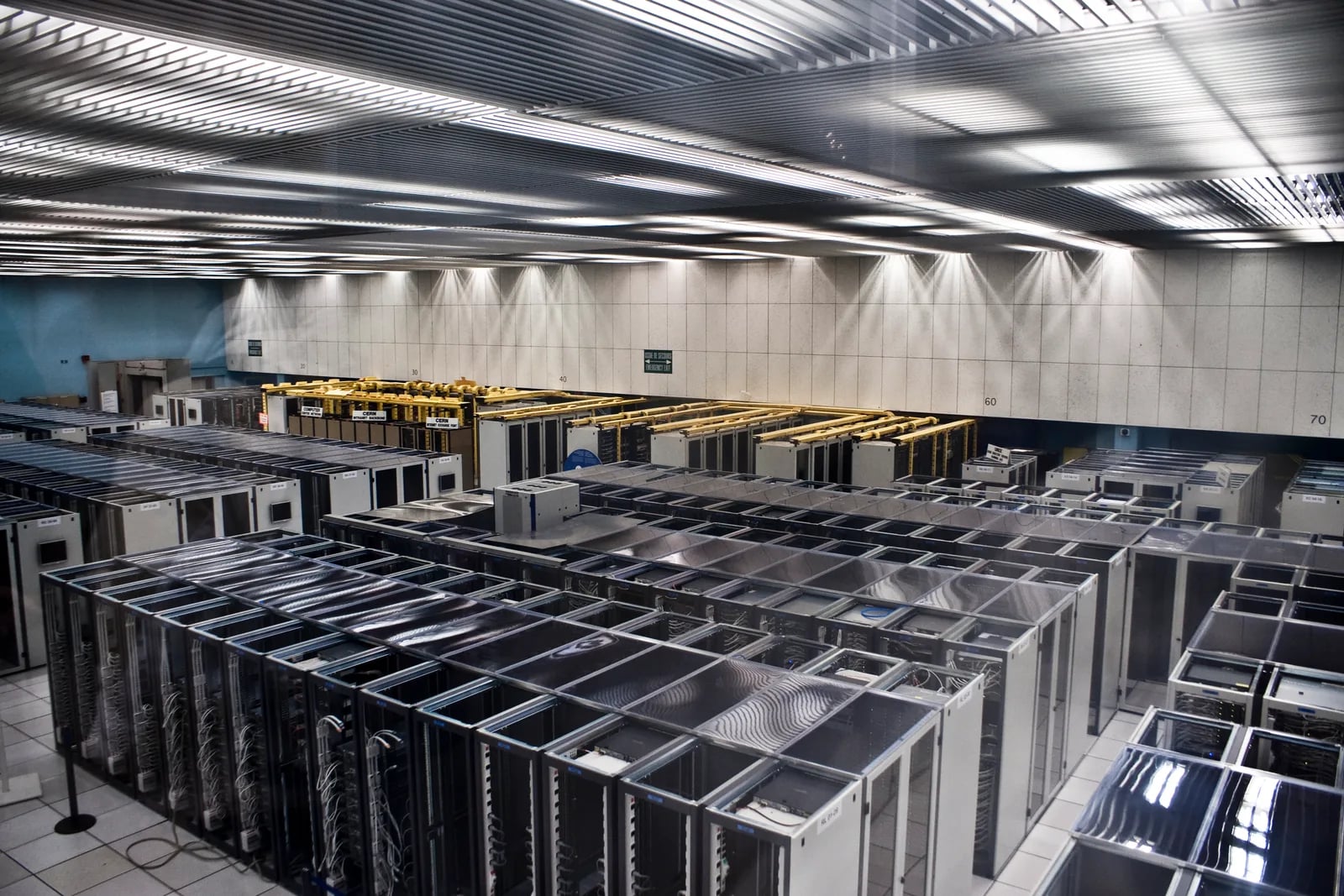
The first mapping of data centers in the metropolitan City of Milan, produced by the ProdAction research project at the Politecnico di Milano, shows 33 active facilities out of Lombardy's total of 49, spread across 32 municipalities, with a nominal capacity of about 414 megawatts, 68 percent of the national total. Another 10 are under construction, expected to open between 2028 and 2029: they will add 318 megawatts, nearly a doubling. And 23 projects are under review by local authorities, with average capacities of about 80 megawatts and peaks of up to 300. It is these much larger facilities that will concentrate future demand: if even part of them materializes, installed capacity in the area can exceed one gigawatt in the coming years. Artificial intelligence weighs on total demand: globally, according to the International Energy Agency, data centers consumed about 415 terawatt-hours in 2024 and could reach about 945 by 2030.
The grid that has to keep up
Milan will concentrate the consumption, but part of the energy will come from the rest of Italy through the national grid. Terna, the transmission system operator, is already planning 27 new electrical substations in Lombardy tied to data center connection requests: 5 already authorized, 8 in the permitting process and 14 still in design. The capacity associated with those requests totals 14,238 megawatts, more than 14 gigawatts, a figure that must be read with caution because connection requests do not all turn into real facilities, but it measures the pressure on the territory. Terna is also increasing transmission capacity toward the North, where demand concentrates, deepening the imbalance with the South, where a growing share of renewable generation is installed.
Politics speeds things up
The choice to make Milan's hinterland a European data capital has names attached. The Region led by Attilio Fontana approved Regional Law No. 11 of 3 June 2026 on the siting of data centers in early June: disused industrial areas, including exhausted quarries and mines, get siting priority; facilities above 5 megawatts qualify for a productive urban land-use designation; incentives reward heat recovery into district-heating systems; and a permanent coordination body monitors the sector. In June, Industry Minister Adolfo Urso and Fontana also set up a joint Government-Region contact group to accelerate strategic projects and coordinate declarations of national interest. The Meloni government has already designated some: EdgeConneX's three campuses at Bertonico, Opera and Settimo Milanese, an investment of about 3 billion euros for more than 300 megawatts of capacity, with the possible appointment of a government commissioner who could grant a single authorization even through emergency ordinances.
The water problem
Then there is cooling. The regional law gives priority to solutions that rule out withdrawals from public aqueducts, from water destined for drinking or irrigation use, and from protected rivers and lakes, pointing instead to non-potable water, recycling and more efficient systems. But today there is no overall plan saying which water dozens of data centers will use, which treatment plant it will come from, through which pipes, and how much of it will be needed. A 2026 investigation into water and data centers notes that consumption depends on climate, technology, load and supply source, and that the European Union collects detailed indicators for facilities of 500 kilowatts and above but publishes only aggregated data: neither a municipality nor a citizen can know the figures of the facility about to rise next door.
Cumulative impacts remain unmeasured
A full assessment of the cumulative effect on water, energy, land, temperature and noise is also missing. The issue is not theoretical: the Region has already rejected a mega-project between Settimo Milanese and Cornaredo, the D4 Data Center MIL1 campus on the former Italtel site, because the environmental documentation did not allow a full assessment of its impacts. The regional technical commission, in June, cited gaps and methodological inconsistencies: it was impossible to compare the impacts of the part already built with those still to be constructed, the air-quality impact was underestimated in an area already dense with similar facilities, and more than 3.8 million liters of diesel were to be stored above a shallow water table. The regional law foresees a coordination body meant to assess cumulative impacts on energy, water withdrawals, land and heat islands, but decisions will be seen if and when they arrive: for now, the projects keep piling up much faster than the planning that should govern them.
Sources