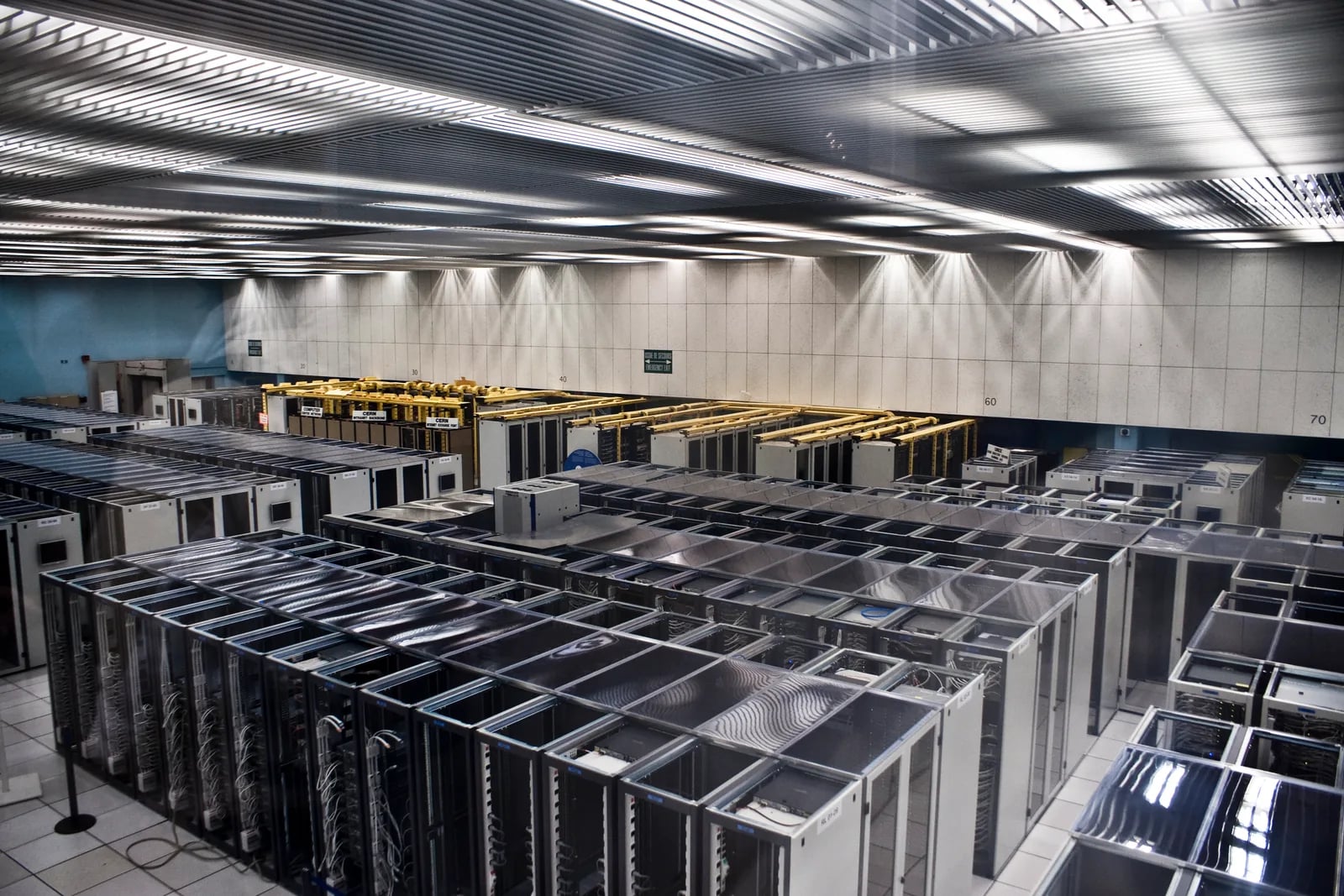
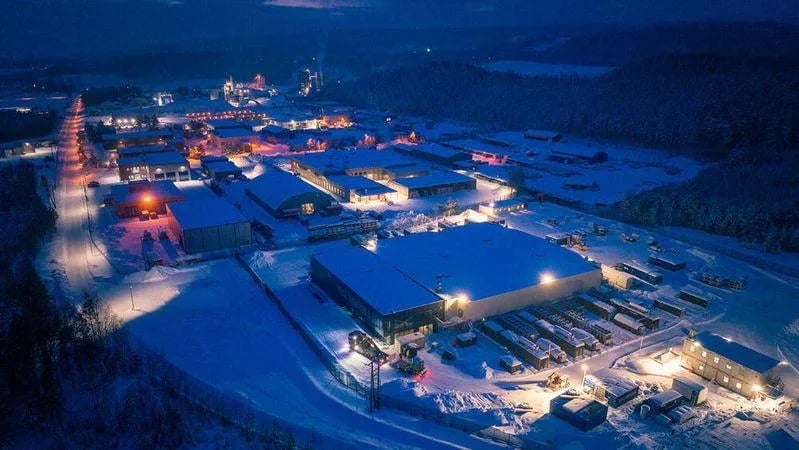
Global spending on data centre infrastructure driven by artificial intelligence is projected to reach $31.6 trillion in cumulative capital expenditure through 2050, according to PricewaterhouseCoopers' inaugural Global Data Center Outlook published on Wednesday (September 2). The forecast, which dwarfs historical infrastructure megaprojects including railways, electrification and the internet, puts annual spending on track to more than double from approximately $800 billion in 2026 to $1.8 trillion by mid-century.
PwC commissioned Oxford Economics to model the outlook across 46 countries and five regions. Under the central scenario, the United States alone is expected to absorb nearly half of cumulative spending at $15.1 trillion. Asia-Pacific follows at $8.2 trillion, Europe at $5.6 trillion, the Middle East at $1.1 trillion and Africa at $255 billion. The model assumes a baseline of relatively open semiconductor trade and does not incorporate large-scale supply chain disruptions.
Why the numbers matter
The scale of the projection is striking when set against the US gross domestic product of roughly $30 trillion. PwC's baseline of $31.6 trillion already exceeds that figure on a cumulative basis, while the firm's accelerated scenario — predicated on faster-than-expected AI adoption across consumers, enterprises and governments — pushes the total toward $50 trillion. In dollar terms, the investment cycle under way would constitute the largest mobilisation of capital for infrastructure in modern history.
A distinctive feature of the outlook is that the bulk of capital will flow into hardware that requires periodic replacement rather than into land and construction. Graphics processing units, servers, storage systems and networking equipment follow refresh cycles of roughly four to six years, meaning that the capex does not front-load as it did in previous technology buildouts such as the global fibre internet rollout or memory chip production cycles. The report likens the dynamic to a recurring expenditure model rather than a one-time construction programme.
Regional dynamics and constraints
China and India are projected to drive the largest share of incremental demand growth, supported by large populations, expanding digital economies and substantial room for AI to penetrate business and consumer activity. At the same time, the tech sector faces a growing backlash that could slow the buildout. Research group Data Center Watch documented that at least 75 projects worth a combined $130 billion were blocked or delayed by local opposition during the first three months of 2026, with protesters citing environmental impact, resource consumption and concerns about the broader societal effects of AI.
Power availability emerges as the foremost factor shaping where investment occurs. The report stresses that affordable, reliable and increasingly low-carbon electricity supply at scale is the hardest requirement for many markets to meet. Beyond energy, data sovereignty requirements and the flow of semiconductors across borders will also determine regional allocation of capital. PwC noted that disruptions in semiconductor supply chains could reduce global investment by nearly 20 percent relative to the central scenario, while a growing sovereignty push may redistribute but not reduce overall spending.
The researchers framed the central question in competitive terms: the capital and demand exist, the uncertainty lies in which regions, operators and institutions are positioned to capture the investment and which are not. For governments competing to attract AI infrastructure, the race has tangible implications for employment, energy policy and long-term economic competitiveness.
Sources
- [PwC, Global Data Center Outlook](https://www.energyconnects.com/news/utilities/2026/september/data-center-spending-to-reach-316-trillion-by-2050-on-ai-boom/) (September 2, 2026)
- [The Business Times](https://www.businesstimes.com.sg/international/global-data-centre-spending-reach-us31-6-trillion-2050-ai-boom-pwc) (September 2, 2026)