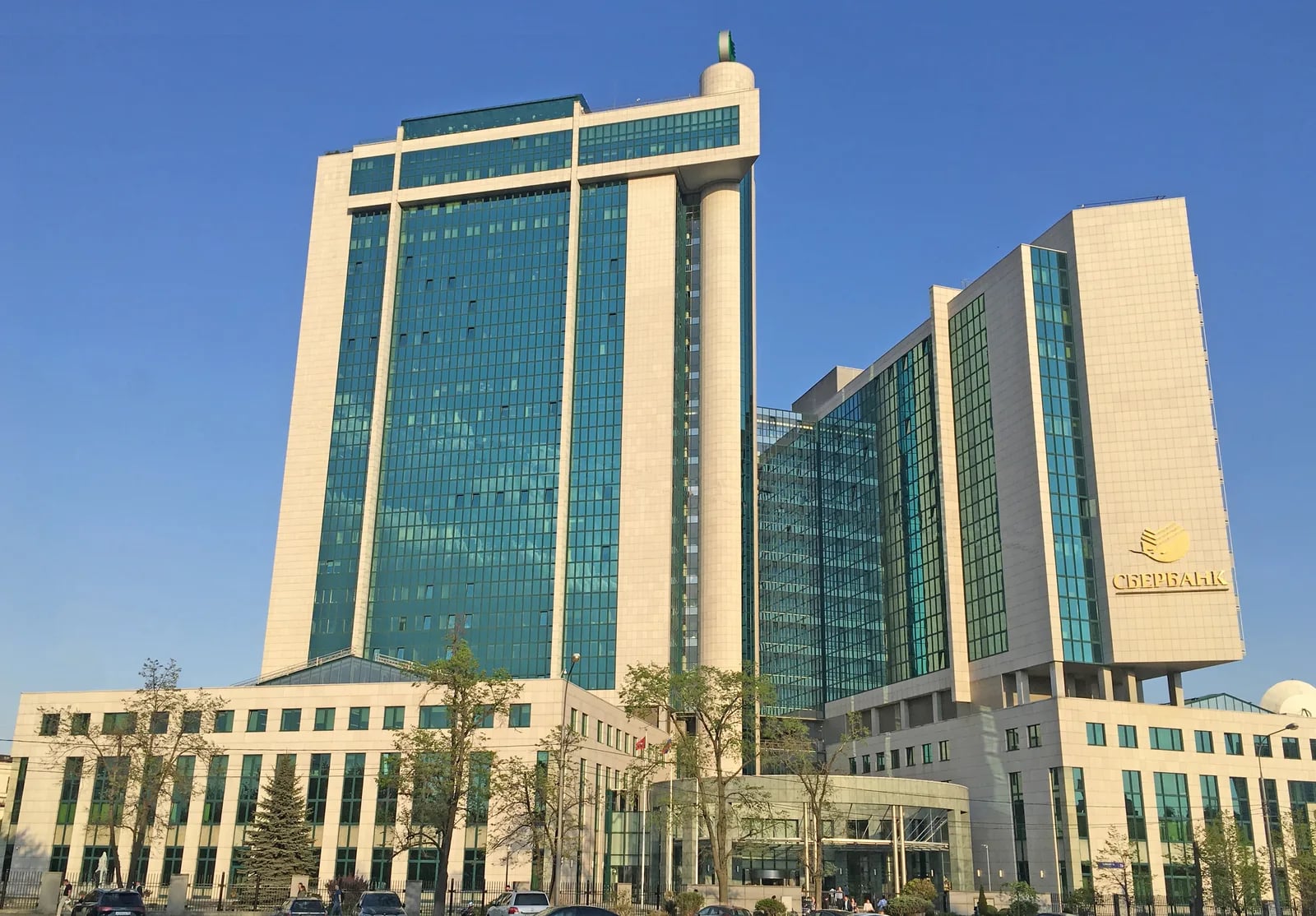
Russia's largest bank, Sberbank, is preparing to accept Ethereum and Tether's USDT as collateral for corporate loans, extending a Bitcoin-backed lending program that has been in development since late 2025. The announcement came from Anatoly Popov, deputy chairman of Sberbank's management board, in an interview with TASS published on August 28, days before Russia's new digital currency law takes effect on September 1.
The expansion hinges on regulatory authorization from the Bank of Russia. Under the new law — signed by President Vladimir Putin on August 4, 2026 — only Bitcoin, Ethereum, and USDT will be permitted for trading on regulated platforms. The central bank must formally clear ETH and USDT for public circulation before Sberbank can add them as collateral options. Bitcoin is already eligible, having been tested in a pilot with mining firm AO Intelion Data in December 2025, when Sberbank issued a corporate loan secured by cryptocurrency mined by the borrower.
Popov said Sberbank had anticipated the regulatory shift and already gained practical experience working with digital assets. The bank plans to gradually expand its product suite under the new framework, including lending secured by crypto holdings and custody services for digital assets, which it aims to launch by December 2026.
Russia's digital currency law represents the country's first comprehensive legal framework for cryptocurrencies. It establishes oversight for crypto exchanges, brokers, asset managers, and custodians while maintaining a ban on using cryptocurrency for payments. Non-qualified retail investors will face an annual limit of 300,000 rubles (approximately $3,300 at current rates) per intermediary. A transitional period runs until March 1, 2027, for existing operators adapting to the new rules. Notably, XRP has been excluded from the central bank's approved list, which includes only BTC, ETH, and USDT.
The move signals that Russia's state-controlled banking sector is moving beyond experimental pilots toward mainstream crypto integration, even as Western sanctions continue to constrain the country's access to global financial infrastructure. For Sberbank, which holds roughly one-third of Russia's banking assets, crypto-collateralized lending could offer an alternative channel for corporate financing in an economy still under heavy international restrictions. The broader question is whether other major Russian banks will follow Sberbank's lead once the regulatory framework is fully operational, or whether the pilot approach will remain limited to the country's dominant lender.
Sources
- [CryptoBriefing: Russia's largest lender Sberbank plans crypto-backed loans using Bitcoin, Ethereum and Tether](https://cryptobriefing.com/sberbank-usdt-loan-collateral-russia/) (August 29, 2026)
- [BSC News: Russia's Largest Bank Sber Eyes Ethereum and USDT Loans](https://bsc.news/news/sber-ethereum-usdt-loan-collateral-russia) (August 30, 2026)
- [CryptoAdventure: Sberbank Plans Bitcoin, Ethereum and USDT-Backed Loans Under New Russian Crypto Rules](https://cryptoadventure.com/sberbank-plans-bitcoin-ethereum-and-usdt-backed-loans-under-new-russian-crypto-rules/) (August 30, 2026)