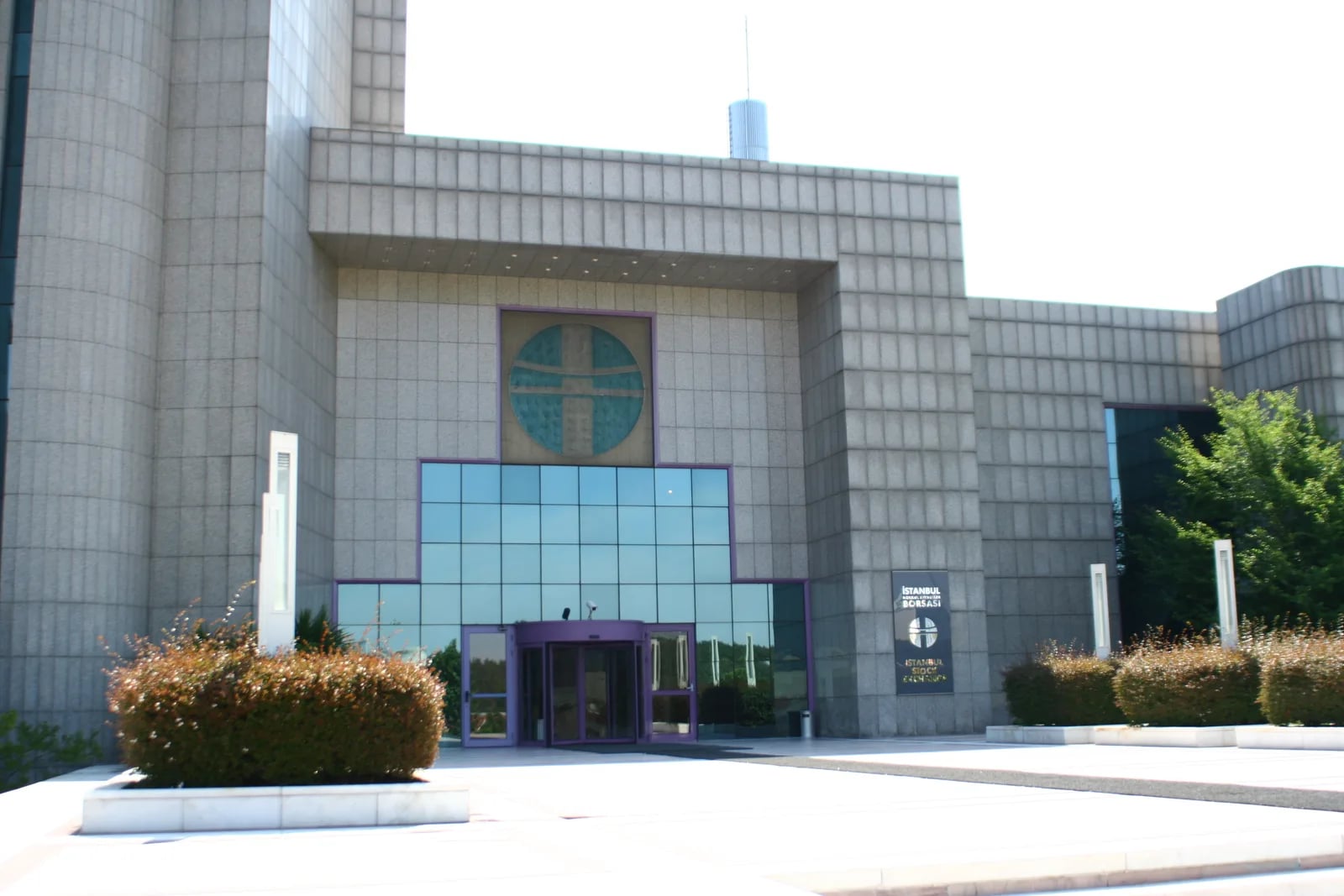
Turkish authorities have arrested 45 of the 76 suspects under investigation over the collapse of 131 investment funds, Justice Minister Akin Gurlek said on Friday, in a scandal that has already drained the central bank's reserves and battered the Istanbul stock exchange. The minister said on social media that the assets of those who owned or managed the liquidated funds, and those of their immediate family members, had been seized, adding that "no one is being shielded."
Among those arrested, according to media reports and prosecutors' statements, is Erkan Kilimci, a deputy governor of the Central Bank of the Republic of Turkiye between 2016 and 2018 who was sitting on the board of Tera Yatirim, a brokerage whose subsidiary Tera Portfoy managed some of the funds that failed to pay redemptions. Tera Yatirim chairman Emre Tezmen and executives Alper Ozturk, Emre Alkin and Kerem Alkin are also among the suspects, as is Pusula Holding chairman Serdar Turhan.
The crisis has its origin in a rule change, not in a market shock. In early September the Capital Markets Board (SPK) told investment funds they could no longer hold all their assets in a single stock and would have to diversify, a measure aimed at vehicles concentrated in thinly traded, hard-to-sell shares. As managers sold holdings to comply, investors rushed to withdraw, and last week several companies admitted they could not satisfy redemption requests. On September 16 the BIST 100 closed 6 percent lower, and over that week the benchmark lost more than 8 percent, its worst weekly performance since March 2025.
A day later the SPK suspended trading in 131 funds run by seven portfolio management companies and appointed Is Bank and Ziraat Bank to oversee their liquidation. The three-month liquidation window was later extended to six months, with the regulator saying the process could finish earlier. According to the SPK, 455,758 individual investors hold stakes in the funds; their assets are put at more than $18 billion by Daily Sabah, while Agence France-Presse has reported a figure of around $17 billion. Turkiye's Central Securities Depository (MKK) said on Thursday that final payments will depend on the prices at which the funds' assets are sold, and that for sell orders executed before liquidation but not yet settled, the price of the sale date will apply.
The strain has now reached the central bank's balance sheet. Official reserve assets stood at $174.4 billion in the week to September 18, down $4.3 billion, or 2.4 percent, from $178.7 billion a week earlier, central bank data released on Thursday show. It was the fourth consecutive weekly decline, from $188.2 billion on August 28. Gold reserves rose 1.2 percent to $111.6 billion, cushioning the fall, and the central bank increased lending to banks to ease a shortage of lira in the market.
Officials have pushed back hard against the idea that this is a systemic event. President Recep Tayyip Erdogan said on Thursday that those responsible would be held accountable and that the liquidation posed no risk to the financial system or the wider economy. Treasury and Finance Minister Mehmet Simsek denied late on Thursday that he was preparing to resign, calling the allegations baseless and saying the public should ignore speculation "intended to undermine our country's economic stability." The Financial Stability Committee, led by the ministry, convened on September 17 and attributed the problems to credit and liquidity difficulties at a limited number of portfolio management companies.
The investigation is broadening beyond the funds themselves. The SPK has filed criminal complaints over suspected market manipulation involving the shares of Katilimevim, Gundogdu Gida and Destek Finans Faktoring, and prosecutors have expanded their inquiry to transactions at Pusula, Tera, Hedef and Bulls, asking the financial crimes board MASAK to examine account movements and overseas money and cryptocurrency transfers dating back to 2024. MASAK has frozen about 387.5 million lira in fund accounts, and freezing and seizure measures cover roughly 750 million lira, or about $15.3 million, in cash assets.
What the current data do not establish is how much investors will ultimately recover, or whether the reserve drawdown is a direct consequence of the fund affair rather than of broader currency management. The $4.3 billion figure refers to all reserve assets, not to foreign currency alone, and the gold increase partly offsets the decline. The assets under liquidation are estimated, not audited at sale prices, and the two agency figures for the pool differ by about a billion dollars. Those gaps matter: they separate a contained failure of a small number of portfolio managers, as the authorities describe it, from a wider repricing of risk in Turkish assets.
Sources
- [Daily Sabah - Arrests in Turkiye investment fund probe reach 45](dailysabah.com)
- [Turkiye Today - Turkiye arrests ex-deputy central bank governor as fund probe expands](turkiyetoday.com)
- [RTHK (AFP) - Dozens arrested in Turkish fund crisis probe](news.rthk.hk)
- [Turkish Minute - Turkey's central bank reserves fall $4.3 billion amid fund turmoil](turkishminute.com)