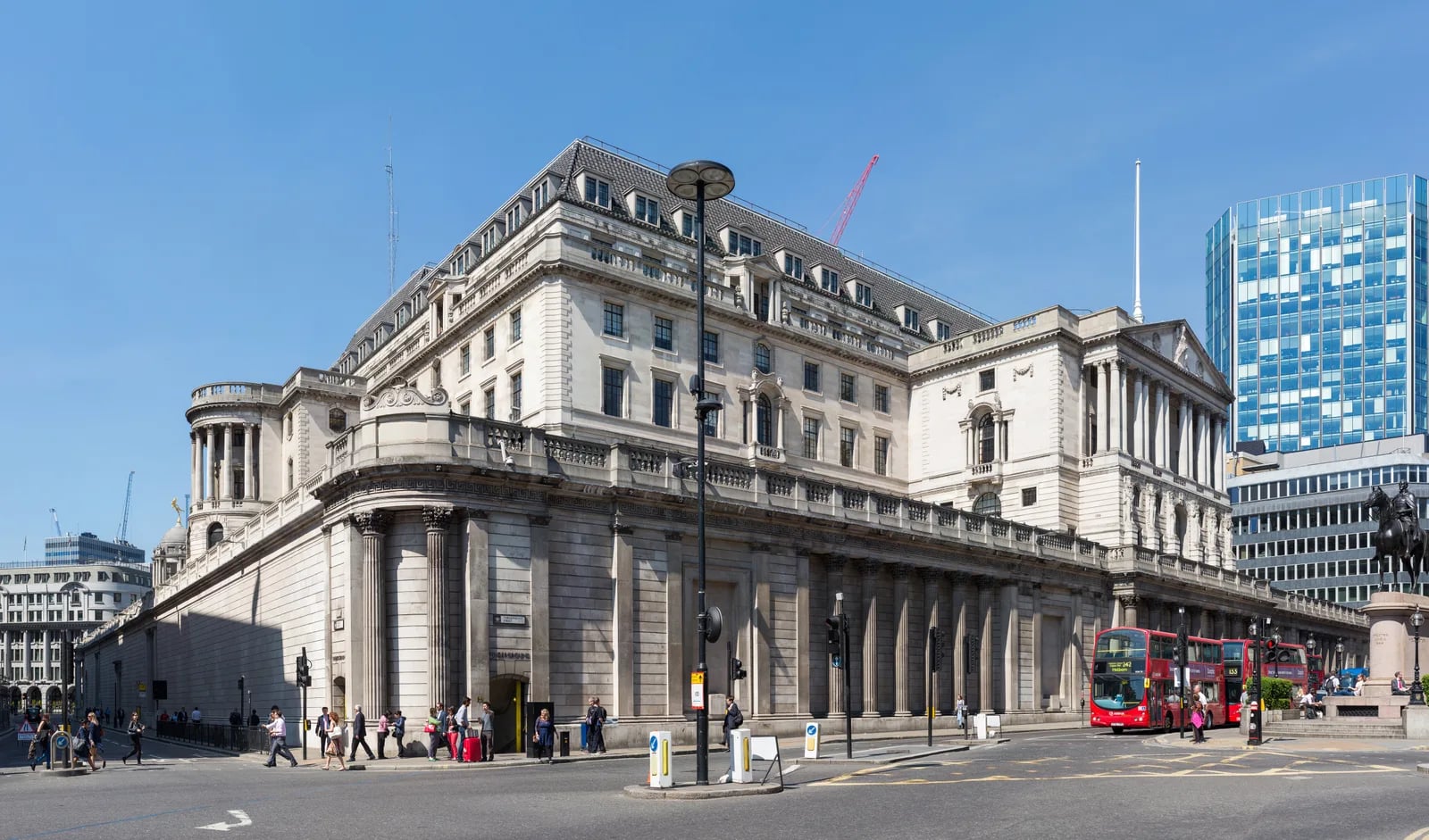
UK consumer price inflation rose to 3.1 percent year-on-year in August, up from 2.9 percent in July and the highest reading in five months, according to data published by the Office for National Statistics on Wednesday. The figure matched market expectations but underscored the growing pressure on the Bank of England, which decides on interest rates on Thursday.
Transport costs were the biggest driver, with annual inflation in the category accelerating to 4.6 percent from 3.6 percent in July. Motor fuels accounted for the bulk of the increase, with petrol and diesel prices rising 23 percent year-on-year. The average price of a litre of petrol reached 161.3 pence in August, the highest since November 2022, according to the ONS. On a monthly basis, the overall CPI rose 0.5 percent in August, compared with a 0.3 percent increase in August 2025.
Core and services inflation hold steady
Beneath the headline, the picture was more muted. Core CPI, which strips out energy, food, alcohol and tobacco, held at 2.6 percent for the fourth consecutive month, its highest level since March. Services inflation, closely watched by the BoE as a gauge of domestically generated price pressure, was unchanged at 3.4 percent. The CPI goods annual rate rose from 2.2 percent to 2.7 percent, reflecting the pass-through of higher energy costs into physical products.
The divergence between headline and core inflation presents the Monetary Policy Committee with a familiar dilemma. Oil prices have remained elevated, with Brent crude trading above 100 dollars per barrel amid supply disruptions in the Middle East, and the UK imports nearly all of its crude. That feed-through into fuel and energy bills lifts the headline rate even when underlying domestic pressures are not accelerating.
What it means for the BoE decision
The BoE has held its key rate at 5.25 percent since August 2023, and markets are pricing in a roughly even probability of a change on Thursday. The August CPI data does not settle the argument. If the MPC judges that the energy-driven spike in headline inflation will prove temporary and will not spill over into wage-setting and services pricing, it has grounds to wait. But if oil prices stay elevated and second-round effects begin to appear in domestic prices, the case for a rate increase will strengthen.
For households, the distinction between headline and core offers limited comfort. Fuel, housing and energy costs are among the most visible components of household budgets, and higher petrol prices raise commuting costs before any second-order effects materialise. The CPIH index, which includes owner-occupiers' housing costs, rose to 3.0 percent from 2.8 percent in July.
The August data also complicates the UK's broader inflation picture relative to peers. At 3.1 percent, British headline inflation now exceeds that of France at 2.7 percent and Germany at 2.9 percent, reflecting the UK's particular exposure to energy price swings through its gas-dependent power grid and transport system.
Sources
- [Office for National Statistics, Consumer price inflation, UK: August 2026](ons.gov.uk)
- [Equiti, UK inflation at 3.1 percent: BoE rate decision August 2026](equiti.com)