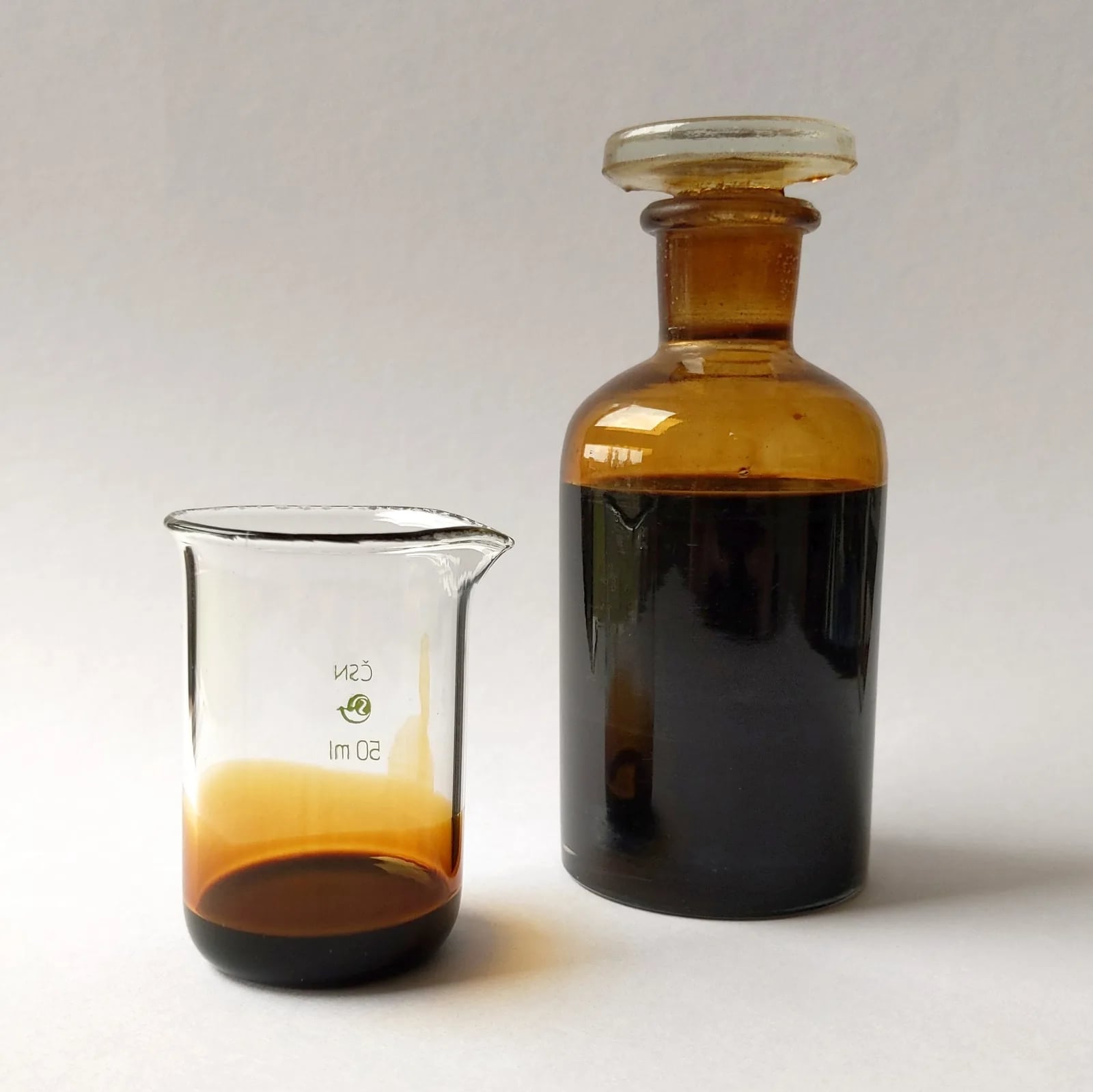
The White House is considering a 90-day ban on US diesel exports, redirecting roughly 1 million barrels per day back to the domestic market while threatening fuel security in Europe and Mexico as record diesel prices pressure the administration.
The Domestic Pressure Behind the Proposal
US diesel prices hit an all-time high of $6.51 per gallon on September 21, according to Wood Mackenzie, and have continued to climb since. The squeeze stems from a convergence of disruptions: Iranian and Russian refinery damage, shipping disruptions through the Strait of Hormuz, and Ukrainian attacks on Russian refining infrastructure have all narrowed global middle-distillate supply at a time when demand remains robust.
With midterm elections approaching, the political calculus is straightforward. Energy Secretary Chris Wright, while acknowledging the tool is "blunt," has not ruled it out. US refineries currently operate at over 95% utilization on the Gulf Coast, producing substantially more diesel than the domestic market consumes. About 1.5 million barrels per day of US diesel enters the global seaborne market, representing nearly 20% of globally traded volumes, according to the American Petroleum Institute.
Why the Ban Could Backfire
Wood Mackenzie's analysis suggests a ban would quickly fill PADD 3 inventories to maximum capacity within roughly five weeks, then force refiners to cut crude runs by more than 2 million barrels per day once storage space is exhausted. The result would be reduced production of diesel, gasoline, and jet fuel simultaneously.
"The irony of a US diesel export ban is that it would likely increase costs for American consumers," said Alan Gelder, SVP Refining, Chemicals and Oil Markets at Wood Mackenzie. "Cutting crude runs to manage the oversupply would shift the cost burden from diesel to gasoline, meaning a policy designed to bring relief at the diesel pump could end up driving prices higher at the gasoline pump."
A separate Wood Mackenzie blog post estimates gasoline prices on the US East Coast could rise by approximately 15%, translating to about 26 cents per gallon, pushing national gasoline prices toward record highs.
Europe Faces Acute Exposure
For Europe, the consequences are potentially systemic. US diesel already covers approximately one-third of EU import volumes on an annual basis, and that share surged to nearly 50% in August as alternative supplies tightened. Under a ban scenario, Wood Mackenzie forecasts Northwest Europe diesel cracks would rise 27%, with European buyers forced to compete harder for an already scarce pool of non-US barrels.
Germany and the Netherlands are currently seeing record diesel prices, while the UK has reached 197.75 pence per liter — up from 142.38 pence before the outbreak of the war with Iran, according to the Royal Automobile Club. Europe is operating at maximum refining utilization and has no spare capacity buffer to absorb the loss of US supply.
The European Commission has formally warned Washington that a ban would "negatively impact both sides," according to reporting by The Guardian. The warning underscores a broader diplomatic risk: penalizing key allies during an energy crisis while China remains the only country with material spare refining capacity to fill the gap.
Mexico and Latin America at Risk
Mexico sources more than 40% of its diesel from the United States, with 288,500 barrels per day arriving in June 2026, according to US Energy Information Administration data. A ban would force Mexico to seek alternative supply at a time when global markets are already strained. The country's transport, agricultural, and industrial sectors all depend heavily on diesel.
The broader Latin American region would face an equally challenging search for replacement supply. Wood Mackenzie identifies China at plus 300,000 barrels per day and Russia at plus 190,000 barrels per day as potential alternative sources, but each comes with significant constraints. Russia is already holding its own export restrictions, while China may choose not to intercede.
The Global Refining Bottleneck
The episode highlights a structural shift in the global energy landscape. The world does not currently face a crude oil shortage so much as a refining crisis. The spread between Brent crude and European gasoil futures reached a record above $105 per barrel before easing to around $100, compared with a pre-war average closer to $20, according to Saxo Bank analysis.
A US export ban would redistribute existing supply rather than create new barrels. As Wood Mackenzie's Gelder noted, China is "currently the only country with material spare refining capacity to cover the loss of US refinery throughputs. However, China may well decide it is not in its interest to do this."
The policy debate thus presents a stark tradeoff: short-term political relief at the domestic diesel pump versus a self-defeating cascade of reduced refinery runs, higher gasoline prices, and destabilized allies who depend on American fuel.
Sources
- Wood Mackenzie, "A US diesel export ban would trigger global stock drawdowns, cut US refinery utilisation and risk driving gasoline prices higher," September 2026. woodmac.com
- The Guardian, "EU says Trump plan to ban US diesel exports would 'negatively impact both sides'," September 24, 2026. theguardian.com
- The New York Times, "Why a U.S. Diesel Export Ban May Not Lower Prices," September 25, 2026. nytimes.com
- Reuters, "Explainer: Ban on US diesel exports would hurt, not help fuel markets, analysts say," September 22, 2026. reuters.com
- El Pais, "Mexico on alert after Trump backs a proposal to ban US diesel exports," September 23, 2026. english.elpais.com