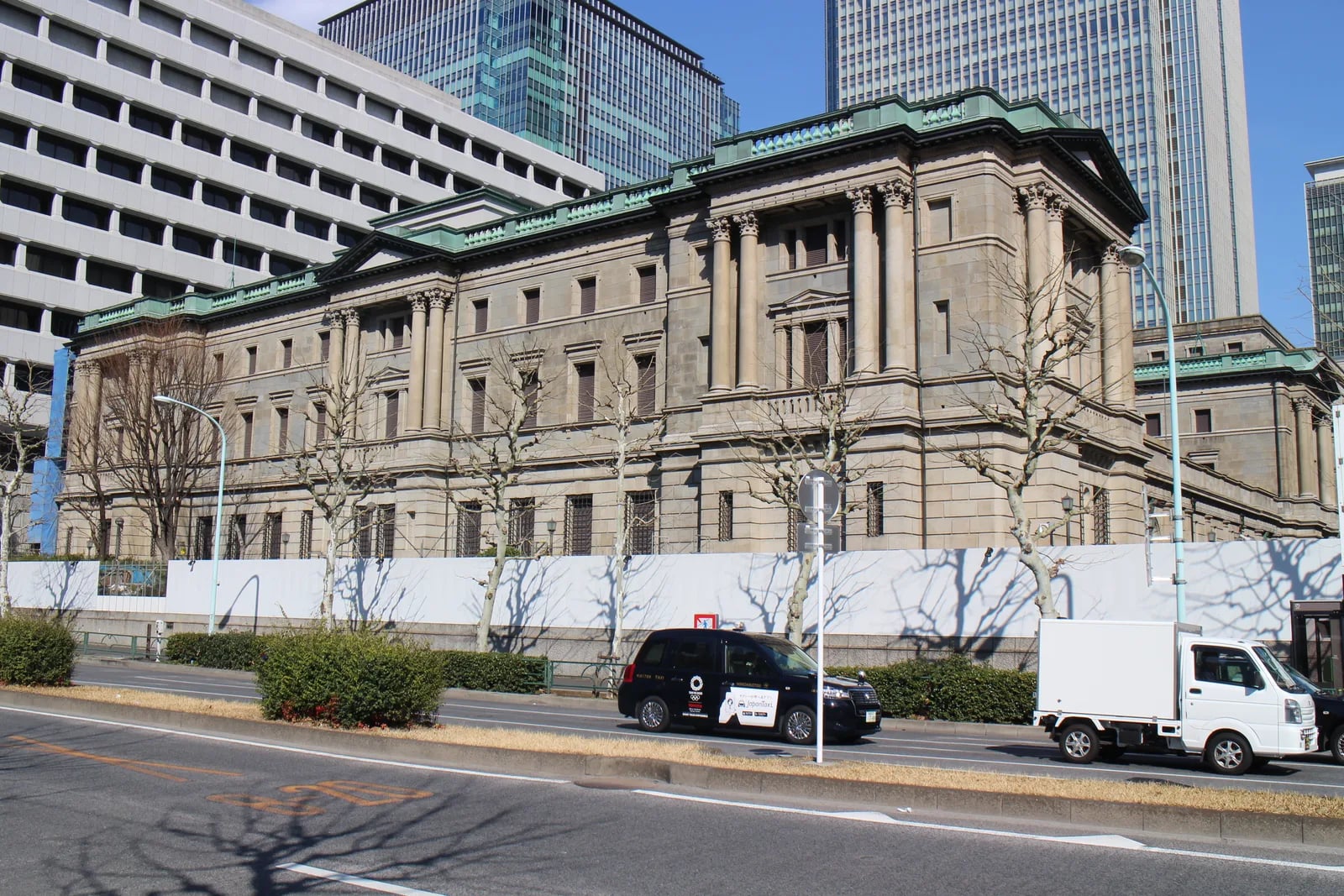
The Bank of Japan raised its benchmark interest rate by 25 basis points to 1.25 percent on Friday, its highest level in 31 years, in a widely expected move that nonetheless exposed fresh divisions within the policy board.
The nine-member monetary policy board voted 7-2 to lift the uncollateralized overnight call rate from 1.0 percent, the level set in June. Board members Toichiro Asada and Ayano Sato, the two most recently appointed members named by Prime Minister Sanae Takaichi, dissented, preferring to hold. The vote marks the BOJ's fastest pace of tightening since the early 1990s, with three 25-basis-point hikes in the past 12 months.
Governor Kazuo Ueda said at the post-meeting press conference that monetary policy "has entered a new phase" characterised by growing upside inflation risks. The decision comes amid intensifying pressure from Washington for Japan to raise rates, with U.S. Treasury Secretary Scott Bessent having publicly called for further normalisation. Tokyo and Washington jointly intervened in currency markets earlier this year to support the yen, which had weakened past 160 per dollar.
Yen weakens despite the hike
In a twist that underscored the market's focus on the dovish dissents, the yen weakened after the announcement. USD/JPY jumped to above 157 from roughly 156.25 before the decision, according to investingLive. The Nikkei 225 index rose approximately 1.6 percent in the Asian session, a pattern consistent with the yen drag on export-heavy shares.
The yen's reaction reflected two factors. First, the presence of two dissents in favour of holding suggested the BOJ may slow the pace of future hikes. Second, the U.S. Federal Reserve raised its own rate by 25 basis points on September 16, narrowing the interest rate differential less than a more hawkish BOJ decision might have. The European Central Bank similarly lifted rates on September 10, while the Bank of England held at 3.75 percent on September 17 after a 6-3 vote.
Inflation data underpin the move, but questions remain
August national consumer price inflation surprised to the downside across all core measures: headline CPI came in at 1.9 percent year-on-year, below the 2.0 percent expected and flat from July; core CPI, excluding fresh food, fell to 1.7 percent from 1.8 percent, matching the consensus; and core-core CPI, excluding food and energy, dropped to 1.7 percent from a 2.0 percent expectation.
Yet the BOJ's decision was driven less by the latest CPI print than by the trajectory. War-related energy costs, a persistently weak yen lifting import prices, and tight labour markets all point to sustained inflationary pressure. Oil prices have climbed sharply since the Iran conflict escalated, and Brent crude trades above $100 a barrel. Producer input costs remain elevated, feeding through to consumer prices with a lag.
What the dissents signal
The 7-2 split is notable because Asada and Sato were appointed only recently. Their dissent does not necessarily predict future voting patterns, but it does confirm that the BOJ board is further from consensus than it was a year ago, when all nine members backed the first rate increase. For investors, the message is that each subsequent move will carry genuine uncertainty about the outcome.
Analysts continue to price at least one more hike before year-end or early 2027, but the bar may be rising. Ueda's language about a "new phase" is interpreted as indicating that the BOJ is no longer playing catch-up but is actively calibrating against inflation overshoot risks. How quickly that calibration proceeds will depend on the yen's path, the Fed's next moves, and whether the Iran war keeps energy prices elevated.
Sources
- [Reuters: BOJ raises interest rates to 31-year high](reuters.com)
- [Nikkei Asia: BOJ hikes rates to 1.25 percent as chief Ueda cites shift in policy phase](asia.nikkei.com)
- [Euronews: Bank of Japan hikes rates to 31-year high to battle inflation](euronews.com)
- [investingLive: USD/JPY jumps to 157 after BOJ rate hike as dovish dissents weigh on yen](investinglive.com)