Bank of Japan Raises Rate to 31-Year High of 1.25 Percent in Split Vote
Bank of Japan raises rate to 1.25 percent, a 31-year high, in a 7-2 vote. Yen weakens above 157. Governor Ueda says policy enters new phase on inflation risks.
Browse the latest verified coverage about currencies.
21 articles

Bank of Japan raises rate to 1.25 percent, a 31-year high, in a 7-2 vote. Yen weakens above 157. Governor Ueda says policy enters new phase on inflation risks.

First Fed hike since 2023: the funds rate rises to 3.75%-4% on a unanimous 12-0 vote, with supply shocks dropped from the statement and the Middle East.

US PPI and CPI both surprised to the upside in August. Gasoline surged 3.9%, core CPI hit 0.3%, and Fed hike odds for September 16 jumped to 85%.

Yen surges 7 yen in a week to 152.89 per dollar as BOJ hike priced at 97 percent and cross-border borrowing hits record.

Poland's parliament fell 25 votes short of overriding President Nawrocki's third crypto veto, leaving it the only EU state without MiCA rules.

The yen slid past 160 after a record $98.7 billion intervention, while 10-year JGB yields hit 2.95%, a 30-year high, as hawkish Fed signals erased gains.

BOJ confirms September 18 hike to 1.25 percent, board split, no terminal rate set. Wholesale inflation hit 7.6 percent in August, import prices up 24.8 percent.

Borrowing at near-zero yen rates to chase higher yields created $4 trillion in positions. When the BOJ hikes, everything unwinds at once.

BOJ Deputy Governor Himino calls for timely rate hikes on inflation risks from Middle East conflict, AI demand and weak yen. Markets price 80 percent odds for September.

Revolut begins rolling out EURR, its first euro-pegged stablecoin, to select customers in Denmark, Poland and Portugal, with wider EEA access planned later this year.

Japan's economy grew at an annualized 1.1 percent in Q2 2026, missing the 2 percent consensus, as private consumption stalled and capital spending fell. The soft reading complicates the Bank of Japan's September rate decision.

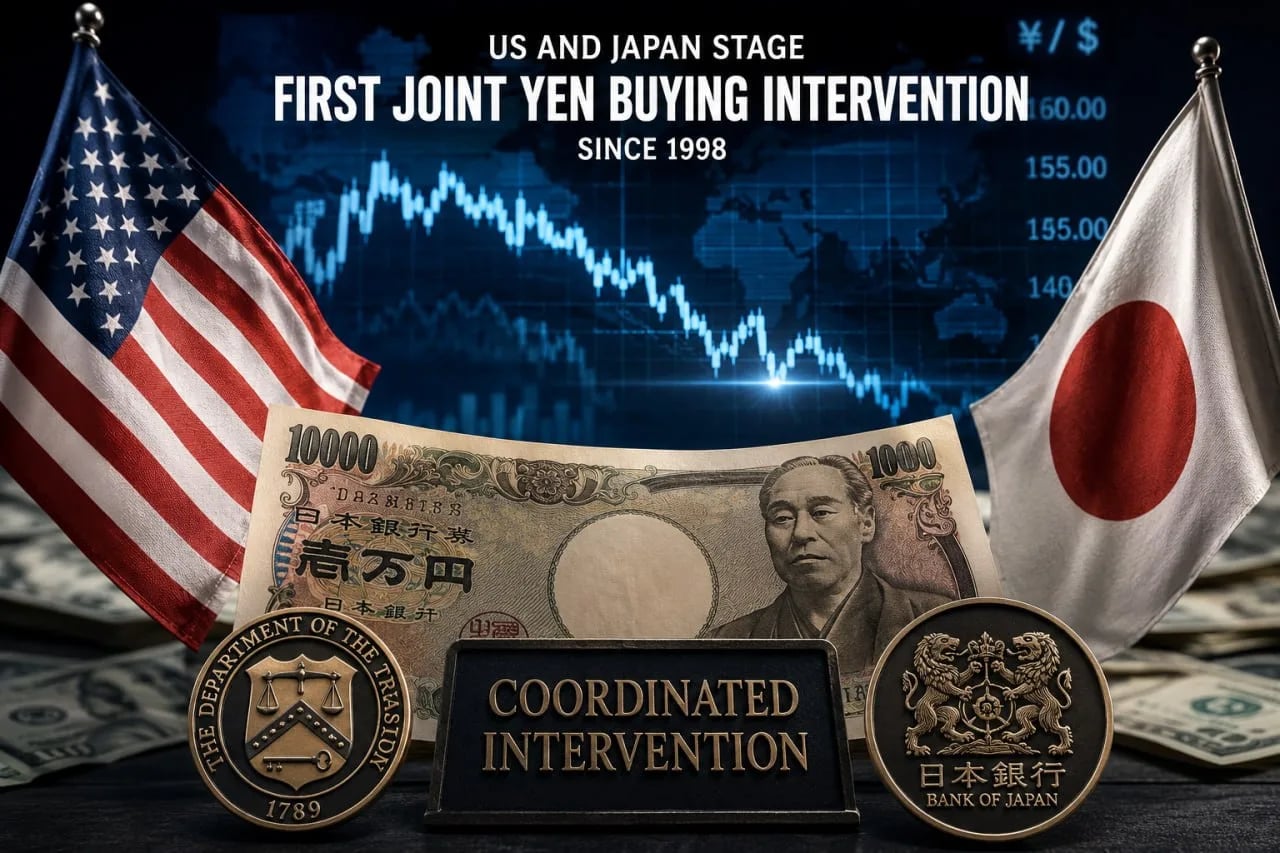
The yen fell as much as 1 percent to 159.35 per dollar on Monday, erasing about half of the gains from the first coordinated US-Japan intervention since 1998, as investors bet on more weakness without fresh official support.

Visa launches the Visa Stablecoin Platform in beta with select clients, letting banks and fintechs issue, custody and move stablecoins without building infrastructure. First asset: Open USD, not yet operational. The real bet is neutral infrastructure, not a winner.

The U.S. House passed the Graham Russia sanctions bill 262-159, authorizing tariffs up to 100 percent on top Russian energy importers. The legislation heads to Trump for signature.

Russian President Vladimir Putin signed Russia's first organic crypto law: a unified framework for exchanges, brokers and mining supervised by the central bank, trading from September 1, payments banned, retail capped at 300,000 rubles annually.

Ethereum hosts half of the world's stablecoins and the largest share of tokenized assets, yet L1 revenue collapsed as activity moved to layer 2s. Two opposing bets: upgrades versus fundamentals.

Roughly 210,000 bitcoin left long-term holder wallets in a week, the largest decline since December 2024, after the Coldcard hack: estimated losses up to $114 million as holders shift to safer custody and spot ETFs.

Thailand confirms a 0% capital gains tax on Bitcoin and crypto — but only on SEC-licensed exchanges: the exemption runs through December 31, 2029, while unregulated platforms face income tax of up to 35%.

SEC Chair Paul Atkins told Fox Business the Senate will vote on the CLARITY Act on September 15, expressing optimism about passage despite the 60-vote hurdle.

The US and Japan confirmed a rare coordinated intervention to prop up the yen, with the New York Fed selling euros for yen on behalf of the Treasury. Trump called it "a sign of friendship", Bessent voiced full support. First joint yen purchase since 1998.
21 articles — Page 1 of 2