Brent crude futures fell by more than 3 percent on Tuesday to their lowest level in a week, as traders shrugged off the latest round of US economic sanctions on Iran and judged them less threatening to near-term oil supply than a potential military escalation.
By 13:07 GMT on August 25, Brent crude had dropped $3.07, or 3.33 percent, to $89.10 per barrel, according to UNN citing market data. US West Texas Intermediate crude fell $2.93, or 3.45 percent, to $82.08 per barrel. Both benchmarks hit their weakest levels since August 17, extending losses that began after US Treasury Secretary Scott Bessent unveiled a sweeping sanctions package on Monday.
The decline stands in contrast to the sharp rally that followed earlier phases of the US-Iran conflict, when military skirmishes and the closure of the Strait of Hormuz pushed Brent above $90 per barrel. This time, traders interpreted the sanctions as a shift toward economic coercion rather than an imminent threat to physical oil flows, dampening the geopolitical risk premium that had underpinned crude prices.
Market Focus Shifts From Military to Economic Pressure
Ole Hansen, head of commodity strategy at Saxo Bank, said the market had reassessed the balance of risks following the sanctions announcement. "The shift from military conflict to economic pressure in the US-Israeli war with Iran has reduced some anxiety in the oil market," Hansen said, adding that the sanctions proved less decisive than some traders had anticipated.
Bessent unveiled the measures on Monday, nearly six months into the conflict, but declined to specify which countries would be targeted or when secondary sanctions might take effect. He said he would give trading partners time to comply with the new directives. Iran responded by expressing confidence that its major trading partners would resist Washington's pressure campaign.
US Defense Secretary Pete Hegseth said the United States had not ruled out military force, but analysts noted that the current emphasis on economic tools had eased concerns about further disruption to Middle Eastern oil supplies.
Supply Risks Persist Despite Muted Reaction
Even as the sanctions failed to lift prices, physical supply risks remained embedded in the market. "Iran still retains the ability to respond by disrupting shipping, which continues to support a residual premium in oil prices," said Tim Waterer, chief market analyst at KCM.
The fragility of regional energy infrastructure was underscored on Tuesday when an oil tanker was struck by an unknown projectile and disabled approximately nine nautical miles northeast of Ash Shishah in Oman, according to the United Kingdom Maritime Trade Operations. The vessel's engine room was damaged and the crew was reported safe.
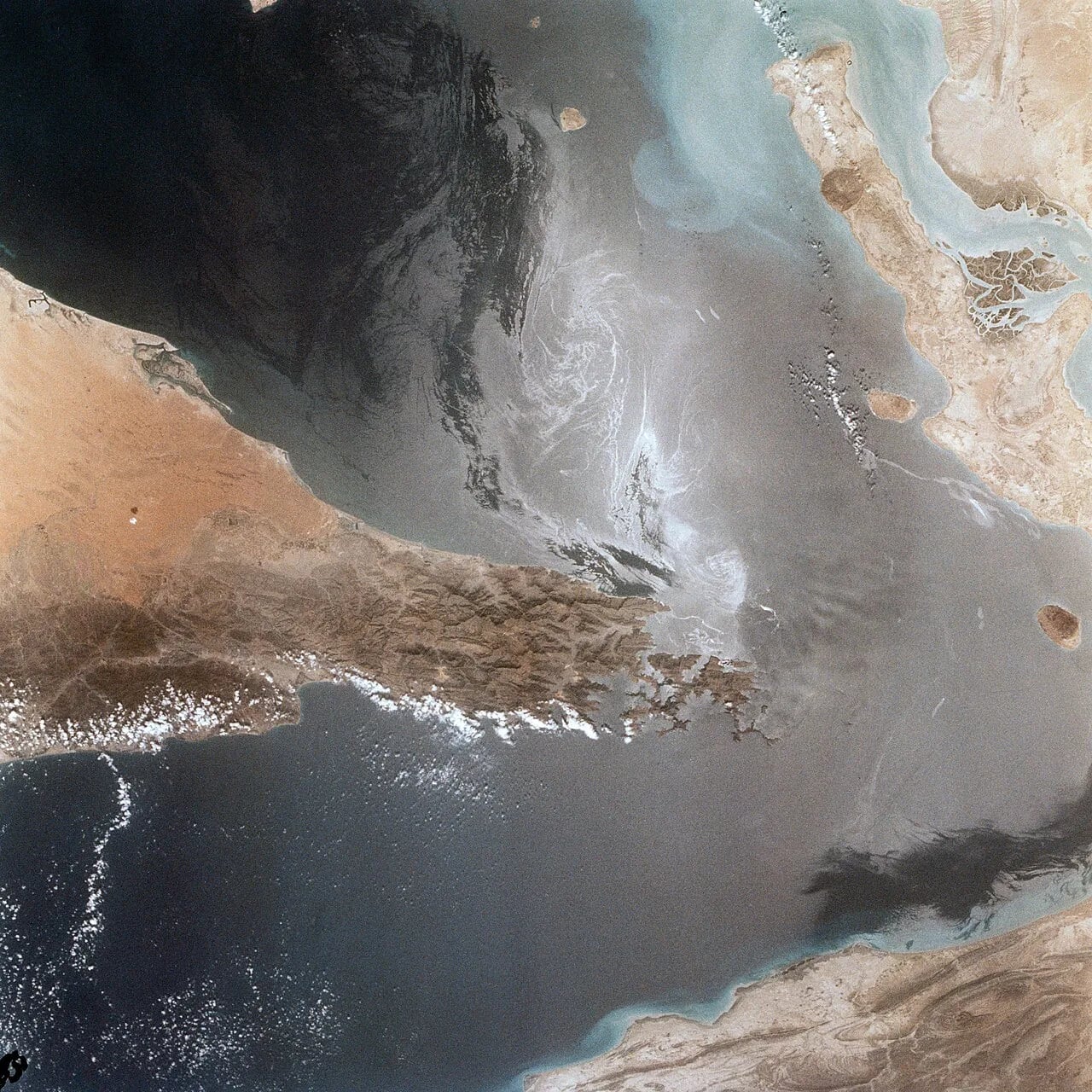
Shipping data showed that only two tankers passed through the Strait of Hormuz on Monday, the lowest daily figure since early May, as Iran continues to restrict transit through the waterway at the center of the six-month conflict. The strait, through which roughly a fifth of global oil supply normally flows, has been largely closed since early 2026.
Limited Downside Room as Geopolitical Floor Holds
The fact that Brent held above $89 despite the steepest single-day drop in weeks underscores the degree to which geopolitical risk continues to anchor crude prices. While the sanctions removed some of the upside pressure, the ongoing closure of Hormuz and the threat of retaliatory disruption mean that a sustained sell-off remains unlikely as long as the conflict persists.
The market now awaits clarity on whether secondary sanctions will target major Iranian oil buyers such as China, which absorbs roughly 90 percent of Iran's crude exports, or whether the measures will remain largely symbolic.
Sources
- TradingPedia, "Crude Slides as Market Downplays New U.S. Sanctions on Iran," August 25, 2026. https://www.tradingpedia.com/2026/08/25/crude-slides-as-market-downplays-new-u-s-sanctions-on-iran/
- UNN, "Oil prices fell to a one-week low," August 25, 2026. https://unn.ua/en/news/oil-prices-fell-to-a-one-week-low
- Gulf News, "Oil markets slip despite tanker strike off Oman as Hormuz tensions persist," August 25, 2026. https://gulfnews.com/business/energy/oil-markets-slip-despite-tanker-strike-off-oman-as-hormuz-tensions-persist-1.500651181