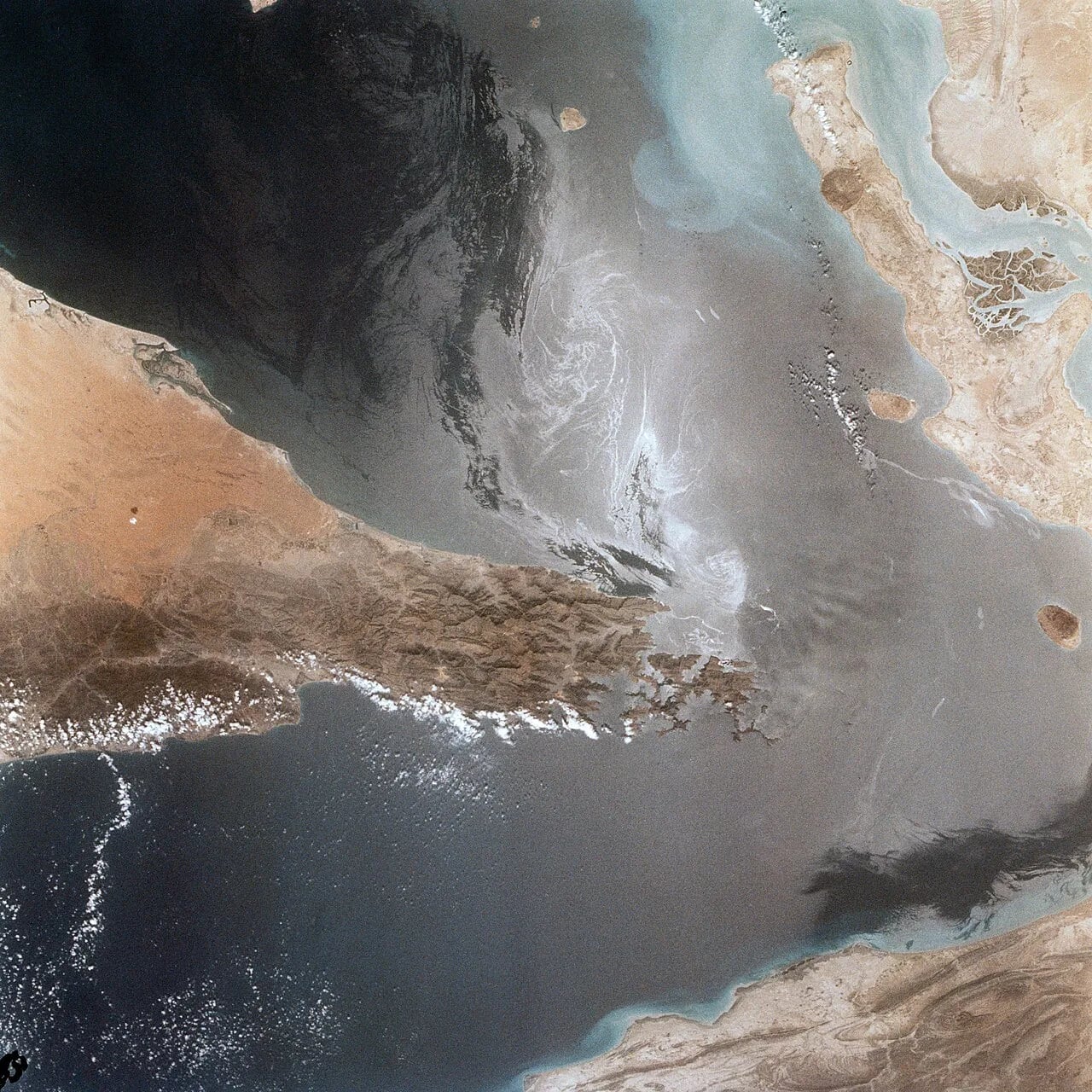
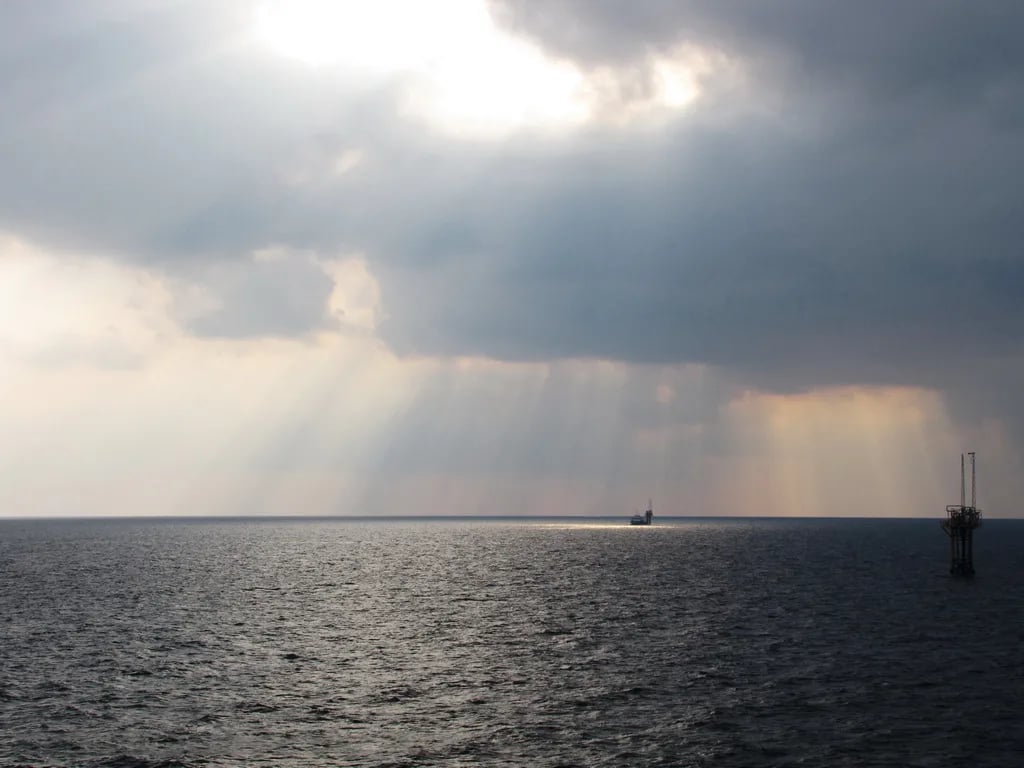
Shipping a tanker through the Strait of Hormuz now costs about 20 million dollars, or roughly 10 per barrel, TotalEnergies chief executive Patrick Pouyanne said at an energy conference in Norway. The added cost of moving a very large crude carrier (VLCC), which can carry around two million barrels, is more than offset by the steep discounts Gulf producers are offering to place their supplies after six months of conflict.
Pouyanne said TotalEnergies is buying crude inside the Persian Gulf at between 50 and 60 dollars a barrel, while Brent futures trade above 90. The French energy giant is one of the largest traders of oil from Iraq and Qatar, two countries that have kept moving barrels through the Strait in recent weeks. The gap leaves a net price cushion, after freight, that analysts estimate at 30-40 dollars a barrel and delivers wide margins for traders and shipowners.
A growing number of producers are ferrying cargoes through the waterway, which before the Iran war carried about a fifth of the world's oil flows. Those volumes have helped prevent a surge in global prices beyond 100 dollars a barrel, Bloomberg reported, but they also offer lucrative trading opportunities for middlemen and vessel owners.
The market picture is split two ways. Crude markets look bearish, in part thanks to the flows through Hormuz, while fuel markets stay tight: prices of gasoline and diesel have rallied on Ukrainian attacks on Russian refineries and because crude dominates Hormuz shipments. For refined products, the extra transport cost can reach roughly 50 dollars a barrel in some cases, fueling shortages and a stronger products market.
TotalEnergies has already shown it can monetize these dislocations: according to Reuters, the company made more than 1 billion dollars from Middle Eastern crude trades earlier this year after its traders anticipated the worsening regional situation. Its integrated model, spanning trading, refining, transport and downstream, gives it flexibility to exploit price volatility rather than simply suffer from it.
Still, the group acknowledges that relying on Hormuz is not sustainable. TotalEnergies plans to invest in alternative export infrastructure, including the Baghdad-Syria pipeline and an expansion of the UAE's Habshan-Fujairah pipeline. The existing Fujairah route handles around 1.8 million barrels per day, with the UAE aiming to double capacity.
Risks remain significant. The trading opportunity depends on producers keeping unusually large discounts: if tensions ease, the 30-40 dollar discount to Brent could disappear while transport costs stay. An escalation that pushed Brent above 100 dollars could also destroy demand. TotalEnergies' success shows how a major geopolitical disruption can become a trading opportunity for those able to exploit it, without removing exposure to the very risks that created it.
Sources