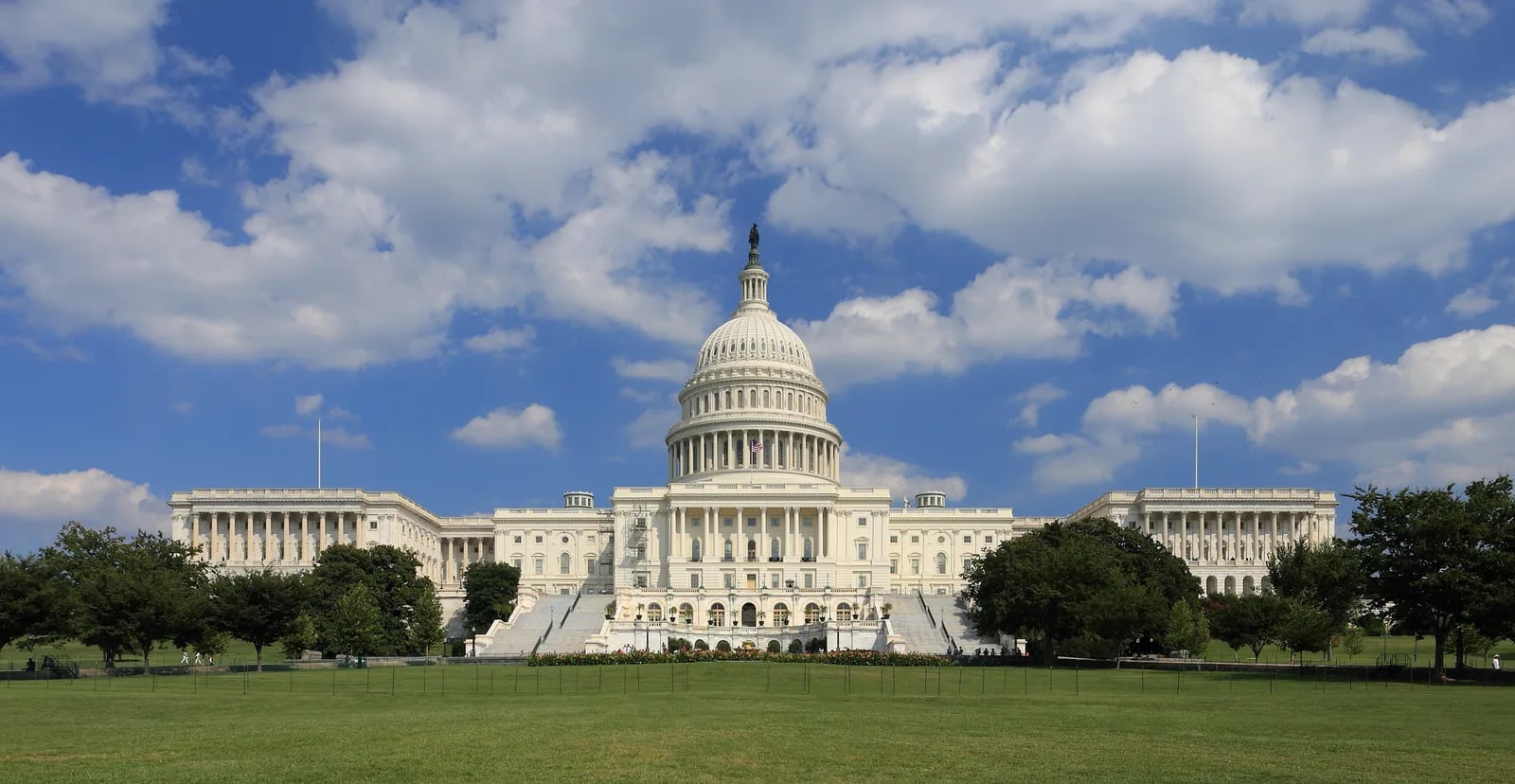
The US Senate released the final revised text of the CLARITY Act on Sunday, September 14 -- a 635-page substitute incorporating 126 substantive changes demanded by Democrats -- with the cloture vote scheduled for today, September 15, at 2:15 p.m. EDT. Polymarket odds of passage collapsed from 35% on Sunday to 16% on Monday after key Senate Democrats rejected the text and delivered a counterproposal overnight.
Ethics provisions at the center of the standoff
The most significant revision concerns ethics rules for federal officials. Under the text released by Senators Cynthia Lummis, John Boozman, and Tim Scott on September 13-14, federal officials and their spouses holding $15,000 or more in token-issuing businesses must divest those interests or place them in a qualified blind trust. President Trump endorsed the framework, with Lummis stating he "voluntarily agreed to unprecedented ethics restrictions."
A critical concession grants state attorneys general an enforcement role alongside the Department of Justice -- a point the White House had previously resisted. However, a technical objection raised by staff for Senator Elizabeth Warren argues that the state AG enforcement mechanism could be overridden by a determination from White House ethics officials, undermining the very concession Republicans present as a good-faith gesture.
Opposition widens beyond Democrats
Despite the 126 changes incorporated into the text, Democratic negotiators rejected the offer. Senator Mark Warner called the ethics safeguards "not near enough," Senator Raphael Warnock argued Democrats should not advance legislation that fails to address "opportunities for corruption that we are seeing in real time," and Senator Ruben Gallego called the offer one that leaves "much to be desired." Senator Kirsten Gillibrand has privately urged colleagues to support the procedural motion, but that position remains isolated.
Opposition extends beyond Democrats. Eight banking trade groups said the released text fails to close loopholes allowing stablecoin rewards, calling the Treasury "circuit breaker" mechanism one that would only activate after substantial deposit flight from community banks has already occurred. Eighteen state attorneys general have opposed the bill, and the Indian Gaming Association urged tribes to press senators to vote against, arguing the DeFi provisions fail to address Indian Country's concerns about prediction markets and tribal sovereignty.
Passage odds collapse
Today's vote is not on final passage of the legislation, but on the motion to proceed to consideration of the bill. Sixty votes are needed to close debate and open floor consideration. Republicans hold 53 of the 100 Senate seats, so at least seven Democratic votes are required. The text released Sunday was framed by the sponsoring senators as their "last, best and final" offer. Senator Lummis said President Trump had already accepted two significant ethics concessions and that there is "nothing left to give" Democrats. White House digital assets adviser Patrick Witt dismissed the remaining edits as "punctuation."
If the cloture motion fails, the most sweeping digital asset legislation ever to reach the US Senate floor is likely shelved until after November's midterm elections. Polymarket odds of passage within the year stood at 82% in February, rose to 35% on Sunday after the revised text was released, and collapsed to 16% on Monday in response to Democratic resistance.
Sources
- CoinTelegraph, "CLARITY Act Odds Sink Amid Democratic Opposition to GOP Deal" -- cointelegraph.com (primary source)
- CryptoBriefing, "Senate Republicans release revised Clarity Act with 126 concessions to Democrats ahead of crucial vote" -- cryptobriefing.com (secondary source)