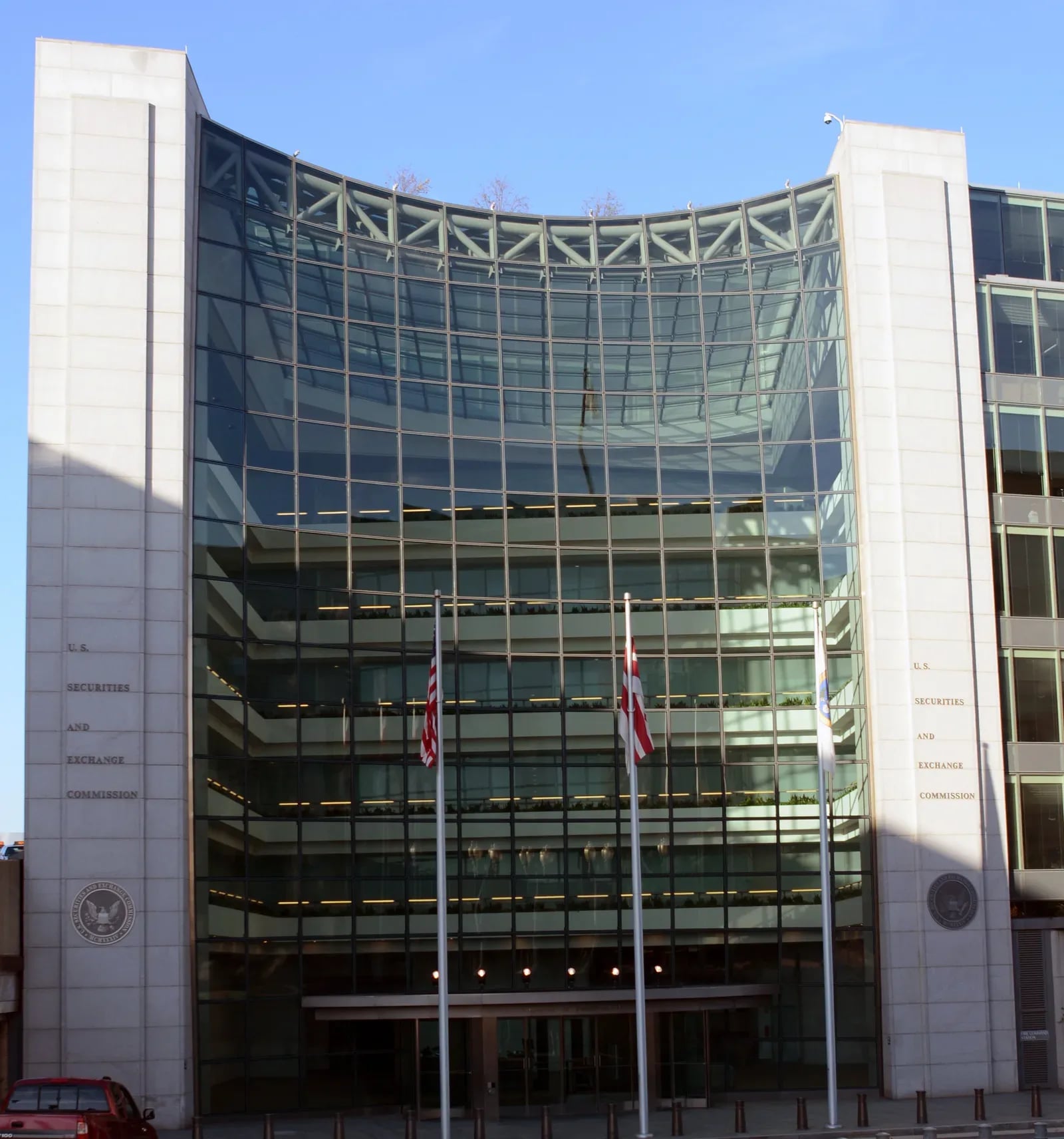
The U.S. Securities and Exchange Commission announced on Monday, August 11, that it will hold a public meeting on Friday, August 14 to consider proposing Regulation Crypto - the agency's first major formal rulemaking process for digital assets.
The SEC, led by Chairman Paul Atkins, issued an unusually short-notice announcement of the Friday meeting. The three-member commission - composed entirely of Republican appointees - will open the proposal to a public comment period expected to last two to three months, followed by a potentially lengthy rewrite before finalization.
Regulation Crypto is described as a tailored offering regime for certain investment contracts on crypto assets. According to the proposal's outlines, it would establish a structured path for crypto startups to raise capital for projects without triggering full SEC registration requirements. The rule would also provide businesses with an exit path from SEC jurisdiction when they are no longer actively managing projects.
The move comes just one week after the U.S. Senate left Washington without holding a procedural vote on the Digital Asset Market Clarity Act - widely known as the CLARITY Act - which was intended to define how the SEC and the Commodity Futures Trading Commission (CFTC) share oversight of crypto markets. Senate Majority Leader John Thune filed cloture on the bill on August 8, but the vote was pushed to September 15 when the Senate reconvenes after its summer recess, and the measure faces a steep 60-vote hurdle.
We view this as the first of several rulemakings the SEC will undertake to provide regulatory certainty for crypto assets after the Senate failed before the August recess to advance the Clarity Act on crypto market structure, wrote Jaret Seiberg, an analyst at TD Cowen, in a client note following the SEC's notice.
The proposal marks a shift from the series of staff-level policy statements Atkins has issued since taking office, which clarified the SEC's regulatory posture on digital assets but lacked long-term durability. A formal rulemaking under the Administrative Procedure Act would carry the force of federal regulation and be significantly harder for a future administration to reverse.
However, the rule is not expected to become final quickly. The initial comment period alone will span roughly two to three months, after which the SEC must review submissions, revise the proposal, and potentially hold a second vote. Industry observers anticipate the process extending well into 2027.
The regulation is one of several major crypto-related actions the SEC is pursuing under Atkins, including a joint framework with the CFTC on how to classify different types of crypto assets and the agency's work on tokenized securities.
Sources