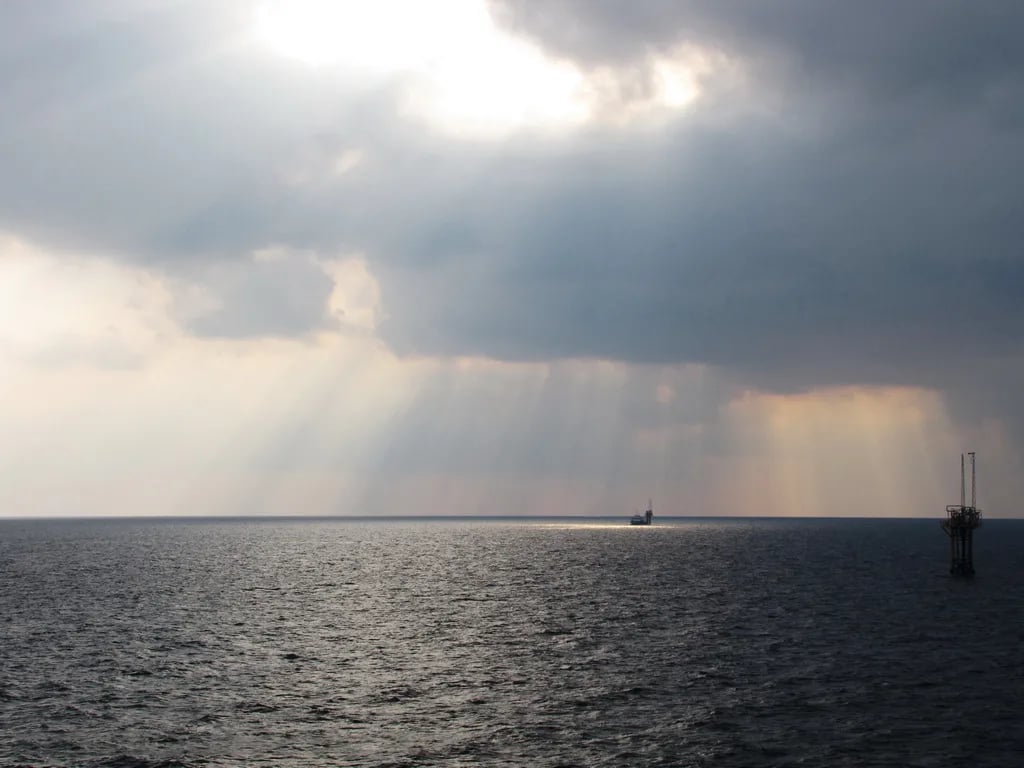
On the evening of August 6, 2026, two explosions were reported on Iran's Qeshm Island, near the entrance to the Strait of Hormuz, in an operation against "hostile objects" according to Iran's semi-official Tasnim News Agency. The incident triggered a sharp jump in energy prices: Brent crude reached $82.30 per barrel (+4.9%) as of 22:40 GMT, West Texas Intermediate (WTI) rose 4% to $78, and European natural gas (TTF benchmark) surged 11.5% to €58.4 per megawatt-hour.
The Strait of Hormuz, through which roughly one-fifth of global oil passes, had already been the focal point of tensions between Iran and Western nations. On Wednesday, August 5, Iran had announced it was "very close" to a shipping agreement with Oman to reopen the strait, raising hopes of easing pressure on energy markets. Thursday evening's explosions partly dampened those normalization expectations and reignited fears of an escalation.
The price movements reflect the market's sensitivity to any potential disruption in traffic through the strait. The surge in European gas prices, in particular, underscores the continent's vulnerability to interruptions in natural gas supply from the Persian Gulf.