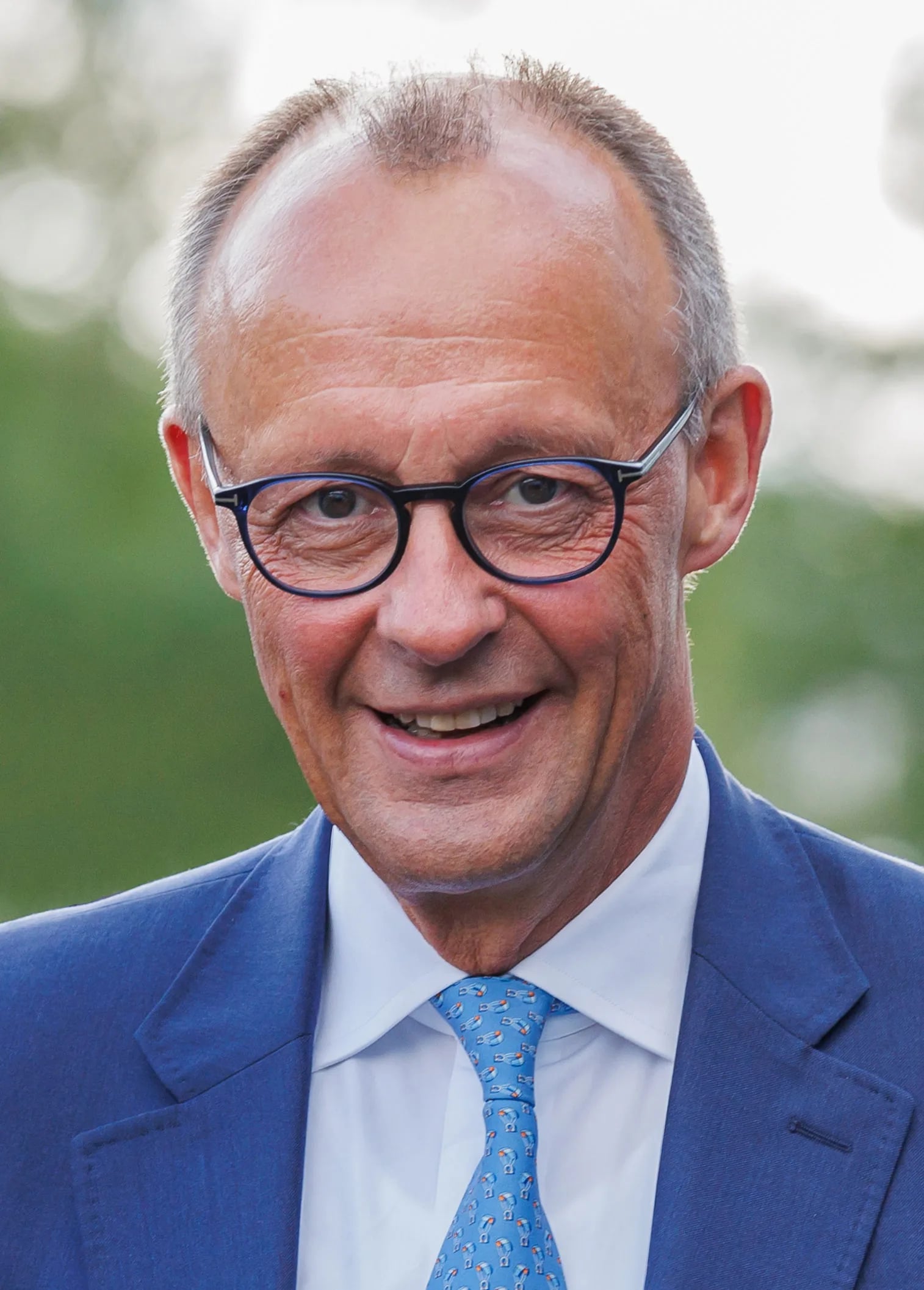
German Chancellor Friedrich Merz is under intense political pressure after his Christian Democratic Union (CDU) suffered its worst-ever result in a state election, crashing below the 5% threshold in Mecklenburg-Vorpommern and losing ground in Berlin as the far-right Alternative for Germany (AfD) consolidated its dominance in the eastern states.
In Mecklenburg-Vorpommern, the AfD won 38.2% of the vote in preliminary results on September 20, making it the largest party in the northeastern state. The centre-left Social Democrats (SPD) took 35.5%, while the CDU collapsed to 4.9% — below the minimum needed to enter the state parliament. It is the first time since World War Two that the CDU has been excluded from a regional legislature, and its previous worst showing in a state election was 9% in Bremen in 1951.
In Berlin, the left-wing Die Linke topped the polls with roughly 26% — a historic first for the party in the capital — while the CDU finished at about 19%. The AfD increased its share to roughly 16%, up from 9.1% in the 2023 election, continuing a pattern of far-right gains in cities where it had previously been weaker.
The results came just two weeks after the AfD won a commanding 44% in Saxony-Anhalt, where the CDU took only 17%. Taken together, the three contests paint a picture of a governing party hemorrhaging support in the east while the AfD normalises its presence across a widening range of states.
Merz responded by declaring the results a "disaster" but firmly ruling out resignation. Speaking at CDU headquarters in Berlin, he said: "The reforms have to come. I am taking on this responsibility because I want to move our country forward." He confirmed he would press ahead with a package of economic, tax and welfare reforms and cancelled a planned trip to the United Nations General Assembly to focus on the political fallout.
The chancellor framed his reform agenda as a direct counter to the AfD's appeal, arguing that economic modernisation is "the antidote to the authoritarian poison that is penetrating ever deeper into our society." AfD co-leader Alice Weidel, however, countered: "We are the strongest force and have reached the mainstream of the population." When asked by the BBC how long Merz has left, she replied: "Pretty soon, he's going to leave."
Holger Schmieding, chief economist at Berenberg, said Merz is "fighting for his political survival." The comment underscores the gravity of the situation: Merz has been chancellor for only 16 months and has struggled with persistently low approval ratings. While eight state leaders publicly backed him earlier in the week, the latest results intensify the speculation about a possible mid-term chancellor swap — a mechanism that exists in Germany's Basic Law but has never been used.
The political turbulence has immediate economic implications. Germany's pro-growth reform agenda, which investors had been watching closely, appears increasingly fragile. A weakened chancellor may struggle to push fiscal loosening and structural reforms through the Bundestag, particularly with the AfD and a revived left pulling the political centre of gravity in opposing directions.
Markets initially showed limited reaction. On Monday, the DAX closed up 1.1% at 25,575 points, but the rally appeared driven more by firmer oil prices and stabilising bond yields than by optimism about German politics. Investors are weighing the risk that prolonged political uncertainty could delay the very reforms that had supported a modest re-rating of German assets earlier in the year.
The AfD's surge also raises questions about governance in eastern Germany. Because all mainstream parties refuse to form coalitions with the AfD, the party's dominance complicates coalition arithmetic. In Mecklenburg-Vorpommern, the SPD and CDU would together hold a razor-thin majority, but the CDU's collapse below 5% means it cannot participate in government at all — leaving the SPD to navigate a complicated path involving smaller parties or minority arrangements.
For Merz, the immediate challenge is political rather than legislative. He needs to rebuild credibility with voters who appear to have lost patience with a government they see as too slow to deliver. Whether he can do so while maintaining the backing of his own party — and without alienating the coalition partners who share power with him — will determine whether the next two years of his chancellorship are defined by reform or by survival.
Sources
- BBC News, "German state elections: Chancellor Friedrich Merz vows to stay on despite 'disaster' in polls," September 20, 2026. bbc.com
- The Guardian, "German state election humiliation: Friedrich Merz on borrowed time as CDU unrest grows," September 21, 2026. theguardian.com
- TIME, "German far-right expands gains in disaster to Chancellor Merz," September 21, 2026. time.com