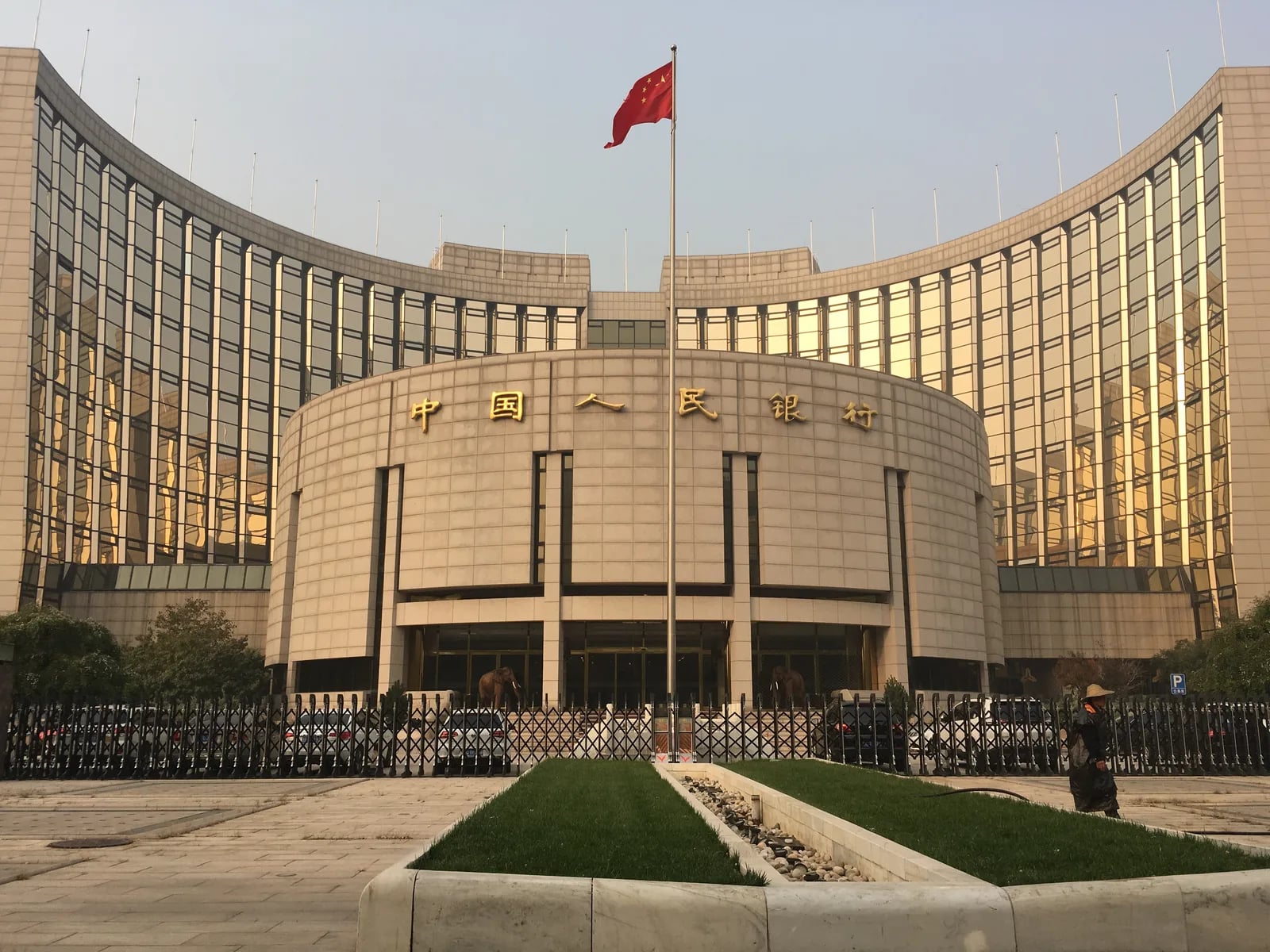
China's central bank cut the interest rate on its pledged supplementary lending (PSL) facility by 25 basis points and, together with the finance ministry and the financial regulator, introduced the country's first nationwide interest subsidy for first-home mortgages. Both measures were announced on September 29.
The one-year PSL rate falls from 1.75 percent to 1.5 percent. The PBOC also widened the set of projects the facility can finance to six categories of infrastructure: water networks, new power grids, computing-power networks, next-generation communications networks, underground urban pipelines and logistics networks. Until now the programme was confined to a narrower range of uses.
Alongside the rate cut, three targeted relending quotas were raised. The quota for technological innovation and equipment upgrades increases by 200 billion yuan to 1.4 trillion yuan, roughly 29.84 billion US dollars of additional funding capacity. The relending quota for agriculture and small businesses rises by 500 billion yuan to 4.85 trillion yuan, including a 300 billion yuan increase reserved for private companies.
The housing measure is the more novel of the two. From October 1, the government will pay an annual interest subsidy of 1 percentage point on qualifying new first-home commercial mortgages of no more than 1 million yuan, about 140,000 dollars, per household. To qualify, the property must have a floor area of no more than 120 square metres and a purchase price of no more than 1.5 million yuan. The scheme initially runs for one year, and an individual loan can receive the subsidy for a maximum of five years. At prevailing first-home mortgage rates, the PBOC said the subsidy is equivalent to a reduction of about one third in borrowing costs.
Why the package matters
The timing is deliberate. The measures landed a day after China's cabinet called for stronger counter-cyclical policy support as activity loses momentum. China has set a 2026 growth target of between 4.5 and 5 percent, but gross domestic product slowed to 4.3 percent in the second quarter, and industrial production, retail sales and investment weakened at the start of the third. The property market, a major source of economic activity and household wealth, remains under pressure — the backdrop the mortgage subsidy is designed to address.
The package also signals a preference for targeted instruments over broad benchmark rate reductions. Rather than leaning on a single policy rate, the PBOC is steering cheaper money towards infrastructure, technology and small businesses while adding a demand-side measure for households.
What the package does not show
Economists read the announcement as coordination rather than a pivot to aggressive easing. Hao Zhou, an analyst at Guotai Haitong Securities, said the measures indicate closer alignment between efforts to stimulate investment and those intended to strengthen household demand.
Zhaopeng Xing, senior China strategist at ANZ, said the measures reflected an attempt to keep an accommodative policy stance while staying cautious about further monetary easing. He added that the 1.5 million yuan ceiling on eligible purchase prices would likely be insufficient for many properties in China's major first-tier cities, making the programme more relevant to lower-tier markets where prices are lower and oversupply more pronounced.
The PBOC's room for larger benchmark cuts remains constrained, according to the economists cited, by higher US interest rates, capital-flow risks, China's high economy-wide debt burden and pressure on bank profitability.
Two things the announcement does not establish: how many households will actually use the subsidy, and how much of a lift it will give to home sales. The government disclosed the terms and duration of the programme, not a take-up forecast or an estimate of its effect on transaction volumes.
Sources
- Arbiterz, "China Cuts Policy Rate, Expands Mortgage Support as Growth Slows", September 29, 2026: arbiterz.com
- Dow Jones Newswires via Morningstar, "China Offers Subsidies on Some Residential Mortgages", September 29, 2026: morningstar.com