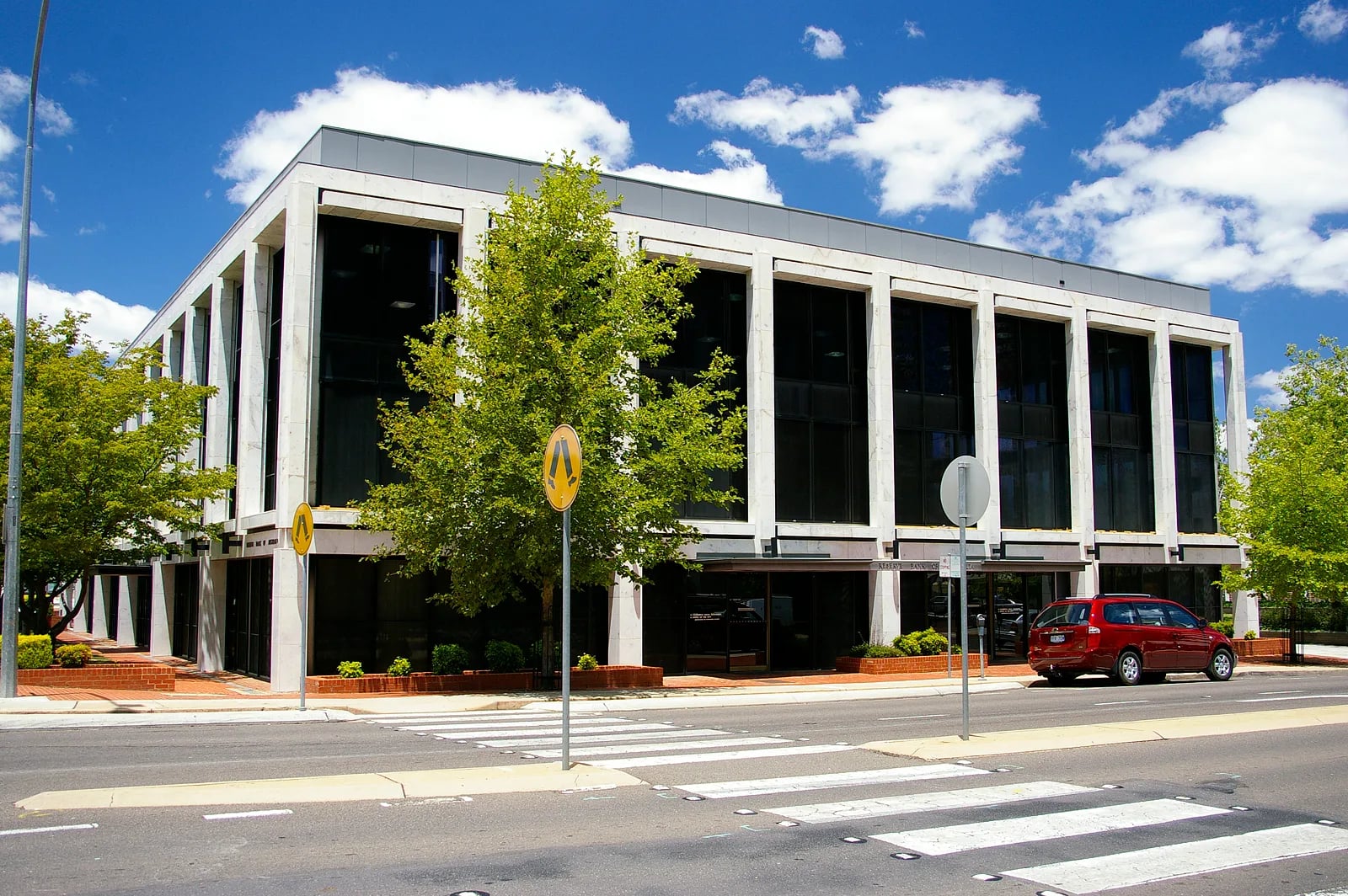
The Reserve Bank of Australia raised its cash rate target by 25 basis points to 4.60 percent on Monday, its fourth increase of 2026 and the highest level since November 2011. The Monetary Policy Board delivered the decision unanimously, with all nine members voting in favour of the tightening.
A Widening Inflation Problem
Headline consumer price inflation in Australia stood at 3.5 percent on an annual basis in July, while the RBA's preferred trimmed mean measure held at 3.6 percent for a third consecutive month. Both readings remain above the bank's two-to-three percent target band. In its accompanying statement, the board said it did not want high inflation to become embedded in the economy and pointed to several fresh pressures that warranted tightening.
The broadening of the Middle East conflict has pushed crude oil prices higher, transmitting additional inflationary pressure through fuel costs. The RBA also flagged that artificial-intelligence-related demand was driving rapid increases in global prices for technology-related goods, with some Australian businesses experiencing cost pressures and either raising prices or planning to do so. Economic growth and inflation were both above expectations, the board noted, leaving the cash rate insufficiently restrictive to return inflation to target in a reasonable timeframe.
The decision came one day before the Australian Bureau of Statistics releases its September quarter inflation data, which markets will scrutinise for signs of whether the RBA's series of hikes is beginning to bite.
Fallout for Households and the Housing Market
The cumulative effect of four rate increases this year has been substantial. According to Cotality, the RBA's moves have reduced Australians' average borrowing capacity by nearly 90,000 Australian dollars, constraining purchasing power in the housing market. "A meaningful housing market recovery is unlikely until borrowers gain confidence that interest rates have reached their peak and will eventually begin to fall," Cotality said.
Macquarie Bank moved quickly to pass on the full 25 basis-point increase to its variable home loan customers, effective October 15. It will also raise variable rates on transaction and savings accounts. "For any customers concerned about making their home loan repayments, we encourage them to get in touch, as financial assistance may be available," said Ben Perham, head of personal banking at Macquarie Bank.
Economists broadly expect further tightening. BetaShares chief economist David Bassanese said his base case is now a fifth hike on Melbourne Cup Day, bringing the cash rate to 4.85 percent. "Sadly, Australia looks set for a period of stagflationary conditions, with weak growth alongside stubbornly high inflation," he said, adding that firms were signalling further price increases ahead.
EY Oceania chief economist Cherelle Murphy noted that consumer sentiment was already at extremely low levels and that the decline in house prices was making many families feel less wealthy. "It's certainly going to hurt many households, this fourth interest rate hike," she said.
The RBA's latest increase also sits against a backdrop of global monetary tightening. The European Central Bank, the US Federal Reserve, the Bank of Japan and the Reserve Bank of New Zealand have all raised rates in recent weeks, as central banks worldwide grapple with persistent inflation and volatile energy markets.
Sources
- ABC News, "RBA lifts interest rates to highest level in 15 years," 29 September 2026 (abc.net.au)
- NordFX, "Market Pulse September 29 2026" (nordfx.com)