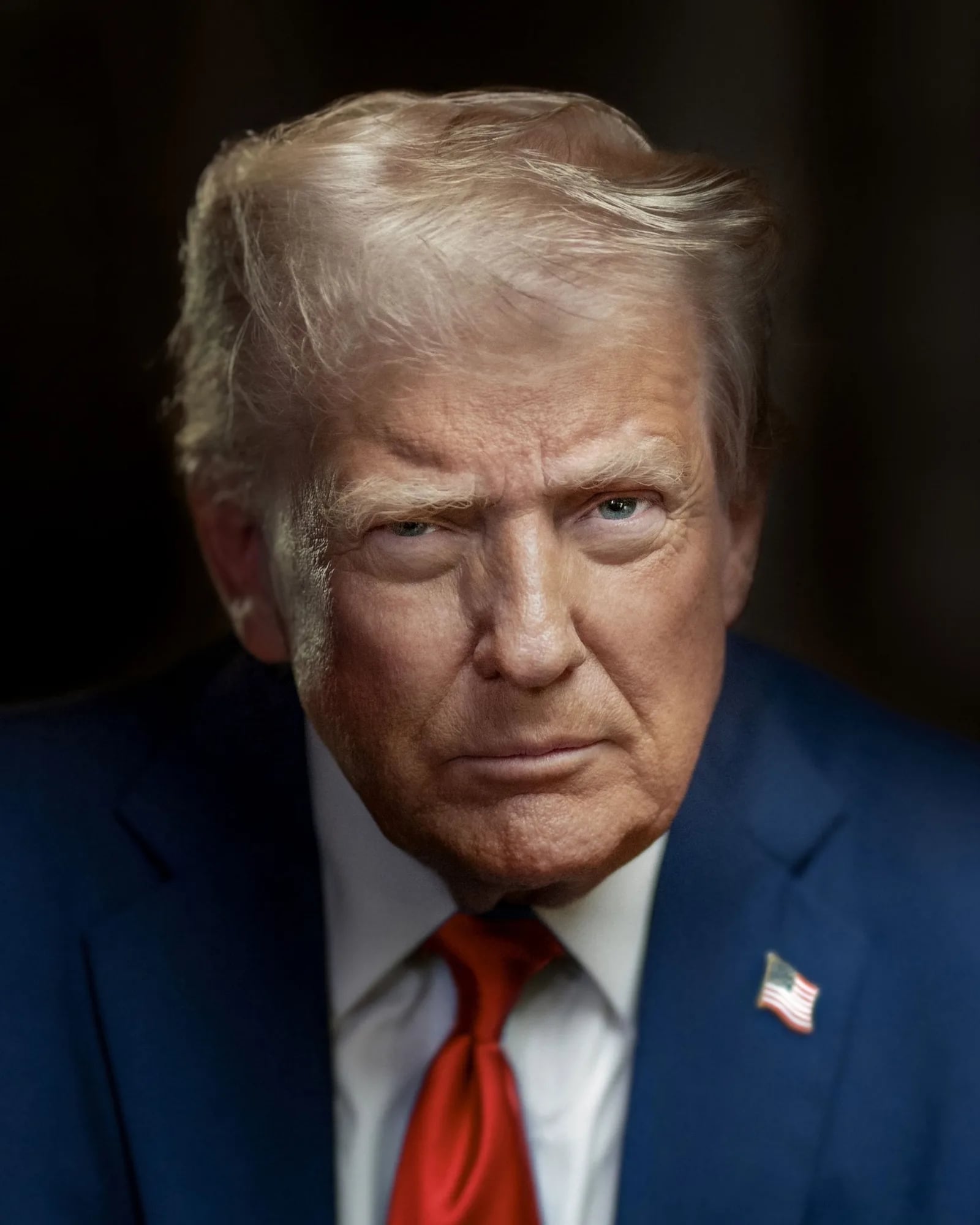
US President Donald Trump raised concern about the weakness of the yen during his Sept 22 summit with Japanese Prime Minister Sanae Takaichi in New York, Japan's Finance Minister Satsuki Katayama said on Sept 25, giving an unusually detailed account of a conversation that governments normally keep confidential. Takaichi confirmed the exchange later the same day. "The US side said that the weak yen was creating difficulties for their trade, and I responded that, as a general principle, an undervalued yen is problematic," she told reporters, adding that there was no discussion of monetary or fiscal policy at the meeting and that her administration's economic policy stance remains unchanged.
Katayama said she was disclosing the exchange for the first time after consulting the Prime Minister's Office. In her account, the leaders' discussion of foreign exchange reaffirmed the shared US-Japan stance behind their July 31 coordinated intervention, including a commitment to counter excessive volatility and disorderly moves in the yen. She added that she and US Treasury Secretary Scott Bessent would continue to communicate closely on a range of matters. Hours after her news conference, the Japanese Finance Ministry said in a statement that Katayama and Bessent had held a call in which they reaffirmed that the yen's undervaluation is a matter of concern and agreed to strengthen bilateral cooperation.
The currency moved quickly. The yen strengthened from around 158.60 per dollar to trade near 157.25 after Katayama's remarks, according to The Straits Times' account of the session. TradingEconomics put the dollar at 157.252 late on Sept 25, a daily decline of 1.02 percent, or roughly 1.61 yen, which snapped a five-session losing streak for the Japanese currency. The move followed rate checks by Japanese authorities on Sept 25, a step that currency strategists often read as a precursor to intervention.
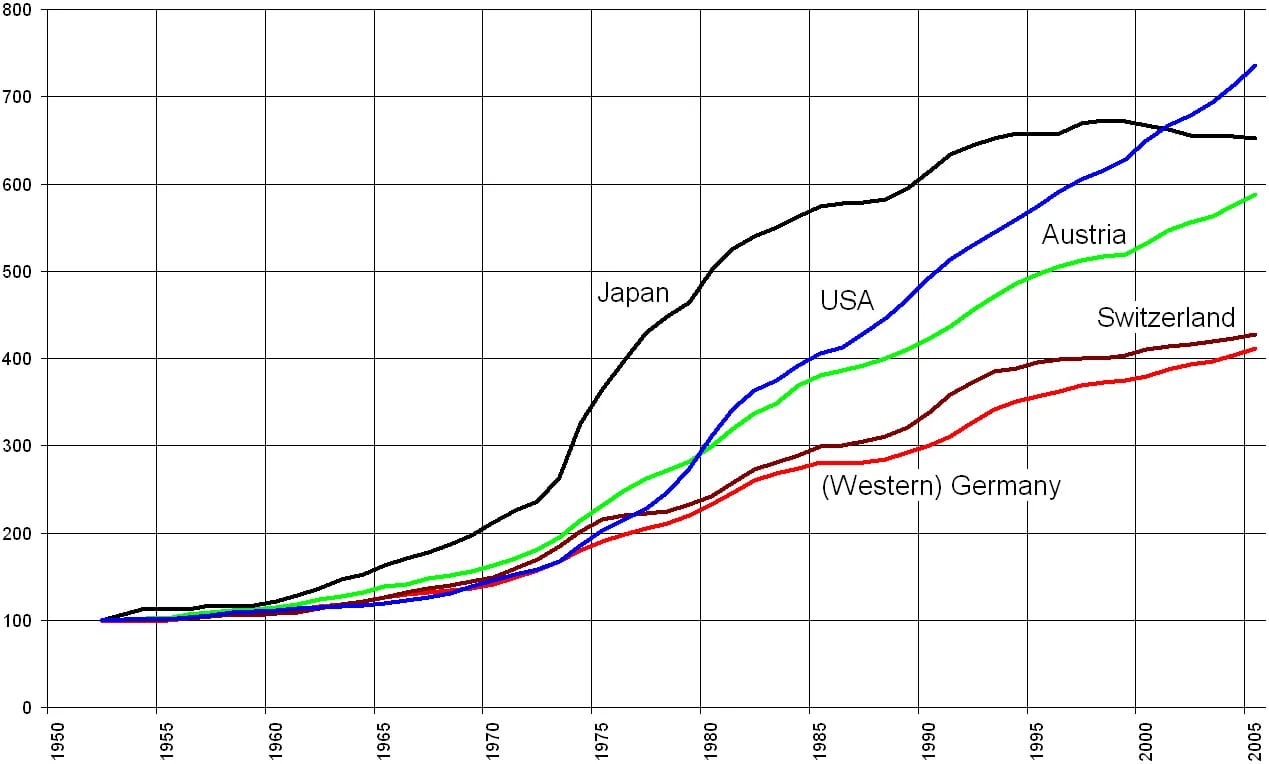
The baseline for comparison is the coordinated action the two governments took on July 31 to support the yen. That operation did not reverse the trend: the dollar has continued to rally against the yen and other major currencies, driven by strong US economic data, a hawkish Federal Reserve and surging US bond yields. The yen has also been pressured by the gap between Japanese and US interest rates, and by the energy import bill Japan pays in dollars.
That import bill is the clearest channel through which a weak yen feeds back into policy. A weaker yen raises the cost of energy imports that are already elevated because of the US-Israeli war on Iran, fuelling concern about an inflation overshoot in Japan. Washington has a second, more indirect worry: a disorderly selloff in Japanese government bonds could spill over into the US Treasury market. On Sept 25 the benchmark 10-year Japanese government bond yield jumped to a 30-year high of 3.115 percent, following a steep selloff in the US market.
The political readout around the summit points in the same direction. Minoru Kiuchi, the minister in charge of economic revitalisation and an ally of Takaichi's reflationist camp, told a separate news conference that the phase of Abenomics-style reflation, with monetary easing and agile fiscal spending, is over. His remarks appeared to respond to Bessent's recent suggestion that Japan's priority should be fighting inflation rather than stimulating growth, a signal of US concern about what it sees as lingering Abenomics elements in Takaichi's policies and among her political allies.
What the statements do not show is worth stating plainly. The summit produced no announced change in the Bank of Japan's policy stance, no new intervention and no commitment on the size or timing of any future operation; Takaichi explicitly said monetary and fiscal policy were not discussed. The yen's move on Sept 25 cannot be attributed to the remarks alone, because the dollar's broader strength rests on US data, Fed expectations and bond yields that are independent of the Tokyo-Washington exchange. What the episode does establish is that both governments now describe the yen's undervaluation as a shared concern, and that they have committed to keep talking about currencies at the ministerial level. Whether that translates into action depends on the pace of the yen's decline, not on the tone of the readout.
Sources